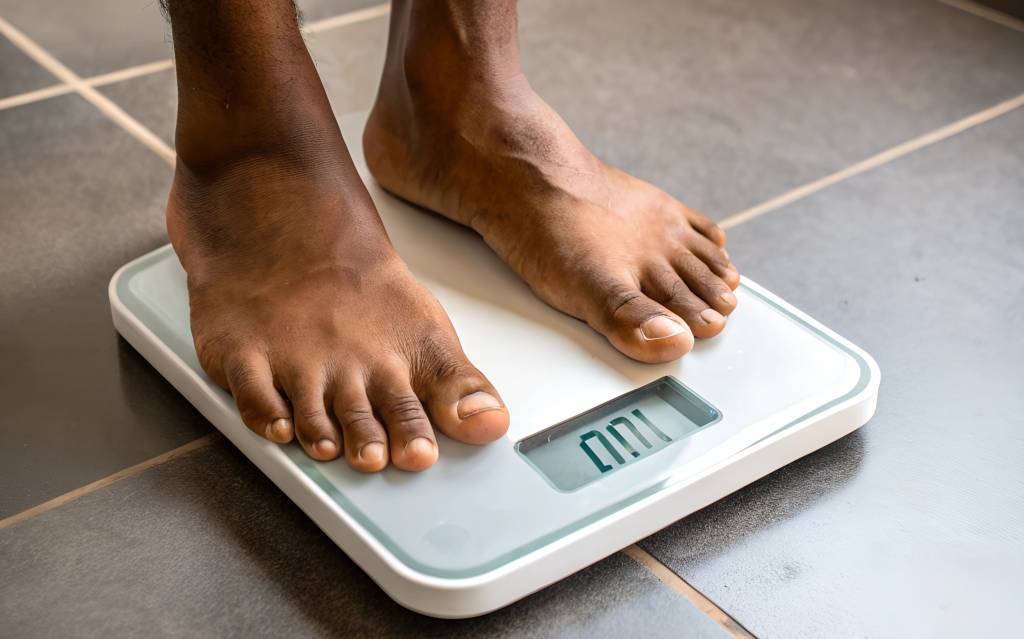
Setting a goal like “I want to lose 8 kilograms” is great for motivation, but on its own it says nothing about how to get there or how long it will realistically take. The weight loss plan calculator bridges that gap, turning a target weight into a concrete, achievable daily nutrition plan.
How the Weight Loss Plan Calculator Works
The calculator starts with several inputs: current body weight, target weight, timeframe (or desired pace of weight loss), and activity level. Behind the scenes, it first calculates the user’s TDEE (Total Daily Energy Expenditure), then determines the required calorie deficit based on the desired pace of weight loss.
The core physiological assumption used is that 1 kilogram of fat tissue is roughly equivalent to 7,700 calories. So if you want to lose 0.5 kg per week, you’d need a daily deficit of about 550 calories (7,700 ÷ 14 days), which is then subtracted from the calculated TDEE to produce a target daily calorie intake.
What the Result Shows
The calculator’s output typically includes:
- Recommended daily calorie intake to reach your goal
- Estimated time needed to reach your target weight
- A safety rating for the chosen pace – the calculator flags it if the selected pace is too fast or too slow
A healthy and sustainable rate of weight loss is generally considered to be 0.5 to 1 kg per week, corresponding to a deficit of 500-1,000 calories per day. Faster weight loss often leads to muscle loss instead of fat loss, a slower metabolism, and a higher risk of regaining the weight (the so-called yo-yo effect).
Why a Gradual Approach Works Better
Too large a calorie deficit can lead to constant hunger, reduced energy, poor concentration, and — paradoxically — a slower basal metabolism, as the body adapts to perceived “scarcity.” That’s why the weight loss plan calculator intentionally keeps the recommended pace within safe limits, even if the user enters a very ambitious timeframe.
The plan produced by the calculator works best when combined with tracking real progress over several weeks — if weight loss deviates from the projection, calorie intake or activity level should be adjusted slightly, since actual energy expenditure changes as the body loses mass. CALCULATE HERE