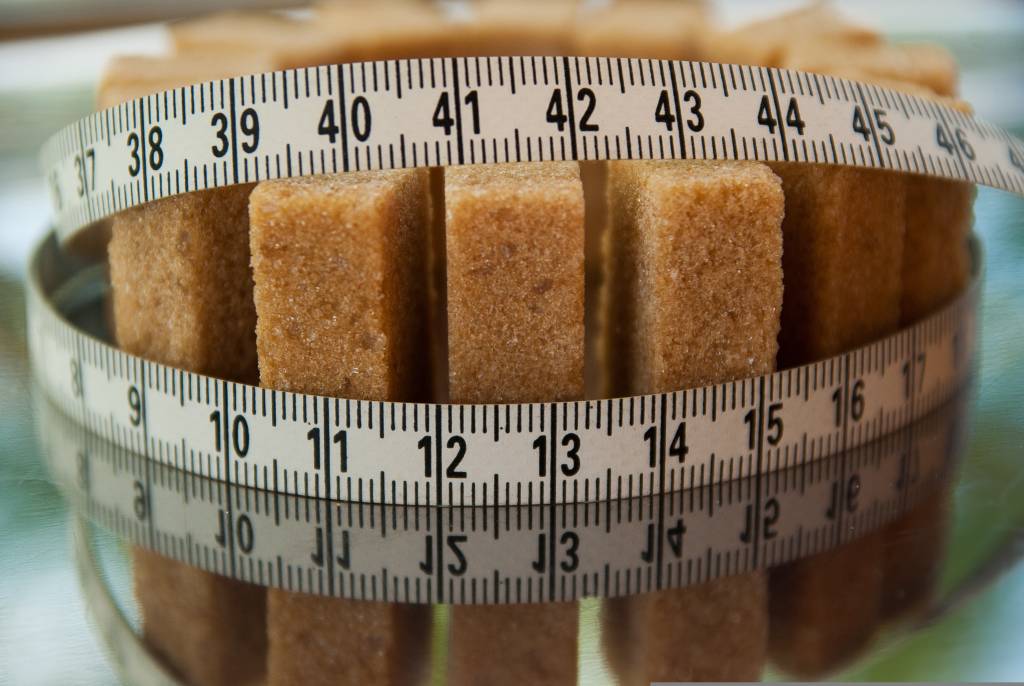

The number on the scale says nothing about what that weight actually consists of. Two people of the same height and weight can look completely different and have very different health profiles, depending on the ratio of muscle, fat, bone, and water in their bodies. That’s why body fat percentage is a far more meaningful indicator of physical condition than body weight alone.
How the Body Fat Calculator Works
Our body fat calculator uses the U.S. Navy body fat method, which estimates body fat percentage from a few simple circumference measurements taken with a tape measure: neck circumference, waist circumference, and — for women — hip circumference, along with height and sex as additional inputs.
This method was chosen because it doesn’t require expensive equipment like skinfold calipers or a DEXA scan, while still providing a solid estimate for the vast majority of people. The formula uses logarithmic calculations of waist, neck, and height ratios, which are statistically correlated with actual body fat levels.
What the Result Shows
The result is expressed as a percentage — for example, 18% for a man or 25% for a woman. These results are then grouped into categories such as:
- Essential fat – the minimum amount needed for normal body function
- Athletic build – low body fat typical of competitive athletes
- Fitness level – a lean, defined physique
- Average/acceptable range – typical for most of the population
- Elevated range – associated with higher health risk from excess fat tissue
Women naturally have higher reference ranges than men, since the female body physiologically retains more fat for reproductive functions.
Why This Number Is More Valuable Than Weight Alone
Someone who trains intensely might weigh the same or even more after several months of training, but with a significantly lower body fat percentage and higher muscle mass — the scale would show “no progress,” while the body fat calculator would reveal real improvement.
It’s important to note this is an estimate based on body measurements, not a medically precise diagnostic method like DEXA or hydrostatic weighing. Treat the result as a useful guide and a way to track trends over time, rather than an exact figure. CALCULATE HERE