
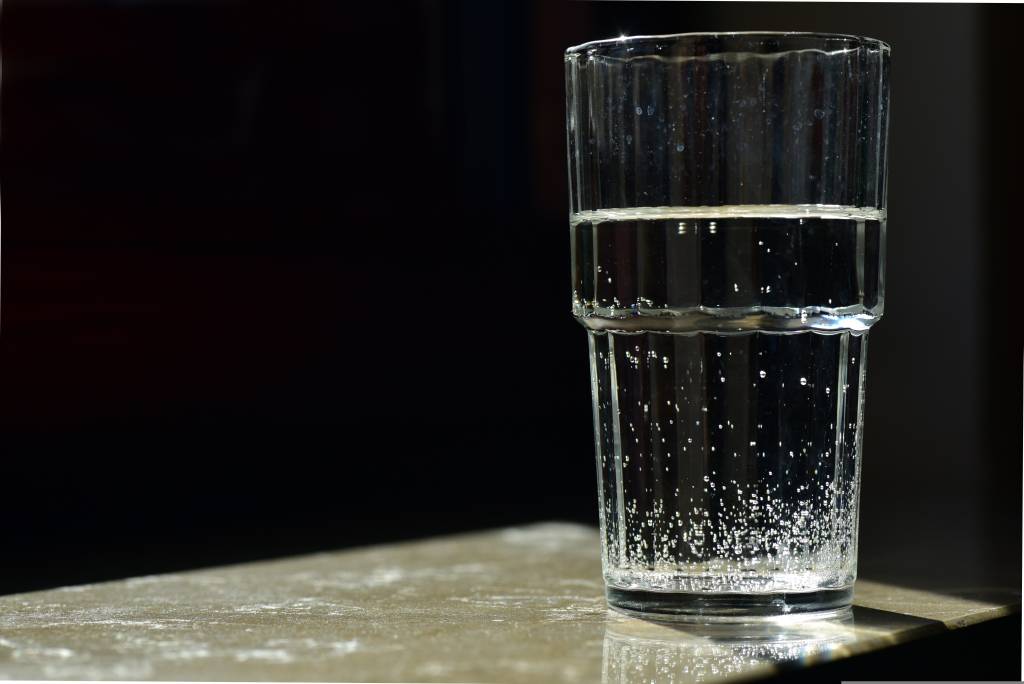
Water is the most essential nutrient for human life. While people can survive for weeks without food, they can only survive a few days without water. Every cell, tissue, and organ in the body depends on an adequate supply of water to function properly. In fact, approximately 60% of an adult’s body weight is made up of water, although this percentage varies depending on age, sex, and body composition.
Water is involved in nearly every biological process. It serves as the medium in which countless chemical reactions occur, allowing nutrients to be transported, waste products to be removed, and cells to communicate efficiently. Without sufficient hydration, these processes begin to slow down, forcing the body to prioritize only its most critical functions.
One of water’s primary roles is maintaining blood volume. Blood consists largely of water, enabling it to transport oxygen from the lungs and nutrients from the digestive system to every cell in the body. It also carries hormones, immune cells, and other substances that regulate growth, metabolism, and overall health. When water intake is inadequate, blood volume decreases and the heart must work harder to circulate blood throughout the body. This can lead to fatigue, dizziness, and reduced physical performance.
Water also helps maintain the body’s internal balance, a concept known as homeostasis. This includes regulating electrolyte concentrations, maintaining proper blood pressure, and ensuring that cells retain the right amount of fluid. Even mild dehydration—as little as a 1–2% loss of body weight due to fluid loss—can negatively affect mood, concentration, memory, and physical endurance.
The brain is particularly sensitive to hydration status. Since the brain itself is composed of approximately 75% water, even small fluid deficits may impair cognitive performance. Many people experience headaches, difficulty concentrating, irritability, or decreased alertness simply because they have not consumed enough water throughout the day.
Hydration is equally important for the muscular system. Water helps muscles contract efficiently and reduces the risk of cramps during physical activity. Athletes and physically active individuals often pay close attention to hydration because even mild dehydration can significantly reduce endurance, strength, coordination, and recovery.
The digestive system also relies heavily on water. It helps produce saliva, supports the breakdown of food, facilitates nutrient absorption, and promotes healthy bowel movements. Adequate water intake, combined with sufficient dietary fiber, helps prevent constipation and supports a healthy digestive tract.
The kidneys provide another excellent example of water’s importance. Every day, these organs filter approximately 180 liters of fluid, removing waste products and maintaining the body’s electrolyte balance. Drinking enough water allows the kidneys to perform this task efficiently while reducing the concentration of minerals that can contribute to kidney stone formation.
Water additionally plays a crucial role in temperature regulation. Through sweating and evaporation, the body can dissipate excess heat and maintain a stable internal temperature even during intense exercise or exposure to hot environments. Without sufficient fluids, this cooling mechanism becomes less effective, increasing the risk of heat exhaustion or heat stroke.
Although thirst is the body’s natural signal to drink, it should not always be relied upon as the only indicator of hydration. By the time a person feels thirsty, mild dehydration may already have begun. Developing the habit of drinking water consistently throughout the day is generally more effective than waiting until thirst becomes noticeable.
Daily water needs vary considerably between individuals. Factors such as age, body size, climate, diet, physical activity, pregnancy, illness, and certain medications all influence fluid requirements. While many health organizations recommend approximately 2 to 3 liters of total fluids per day for most adults, there is no universal amount that applies to everyone. The best indicators of adequate hydration include drinking regularly, responding to thirst, and maintaining pale yellow urine.
Ultimately, water is far more than a beverage. It is the foundation upon which every physiological system depends. From supporting circulation and brain function to regulating body temperature and removing waste products, water enables the human body to perform countless vital functions every second of every day. Maintaining good hydration is one of the simplest, safest, and most effective habits for promoting long-term health, physical performance, and overall well-being.