When people talk about healthy eating, calories are often the first thing they consider. While calories are important because they provide energy, they are only one part of the nutrition equation.
Two meals can contain the same number of calories but have completely different effects on the body.
One meal may provide protein, fiber, vitamins, minerals, and long-lasting energy. Another may provide mostly sugar, unhealthy fats, and very little nutritional value.
This is why understanding the difference between calories and nutrition is essential for building a healthy lifestyle.
What Are Calories and What Is Nutrition?
Calories measure energy.
They tell us how much fuel a food provides to the body.
Nutrition refers to the complete package of nutrients found in food, including:
- Proteins
- Carbohydrates
- Fats
- Vitamins
- Minerals
- Fiber
- Water
- Antioxidants
Calories determine energy balance, while nutrition determines the quality of that energy.
Both are important.
Why Calories Alone Are Not Enough
A person could technically meet their calorie needs by eating mostly processed foods, but this does not mean their body is receiving everything it needs.
For example:
A 500-calorie meal could come from:
- Vegetables
- Lean protein
- Whole grains
- Healthy fats
or from:
- Sugary snacks
- Highly processed foods
- Sweetened drinks
Both provide energy, but the nutritional impact is very different.
Food quality influences:
- Hunger control
- Energy levels
- Muscle health
- Digestion
- Immune function
- Long-term disease risk
What Are Nutrient-Dense Foods?
Nutrient-dense foods provide a high amount of beneficial nutrients compared with their calorie content.
Examples include:
Vegetables
Vegetables provide:
- Fiber
- Vitamins
- Minerals
- Antioxidants
Examples:
- Spinach
- Broccoli
- Carrots
- Peppers
Fruits
Fruits provide:
- Natural carbohydrates
- Fiber
- Vitamins
- Plant compounds
Examples:
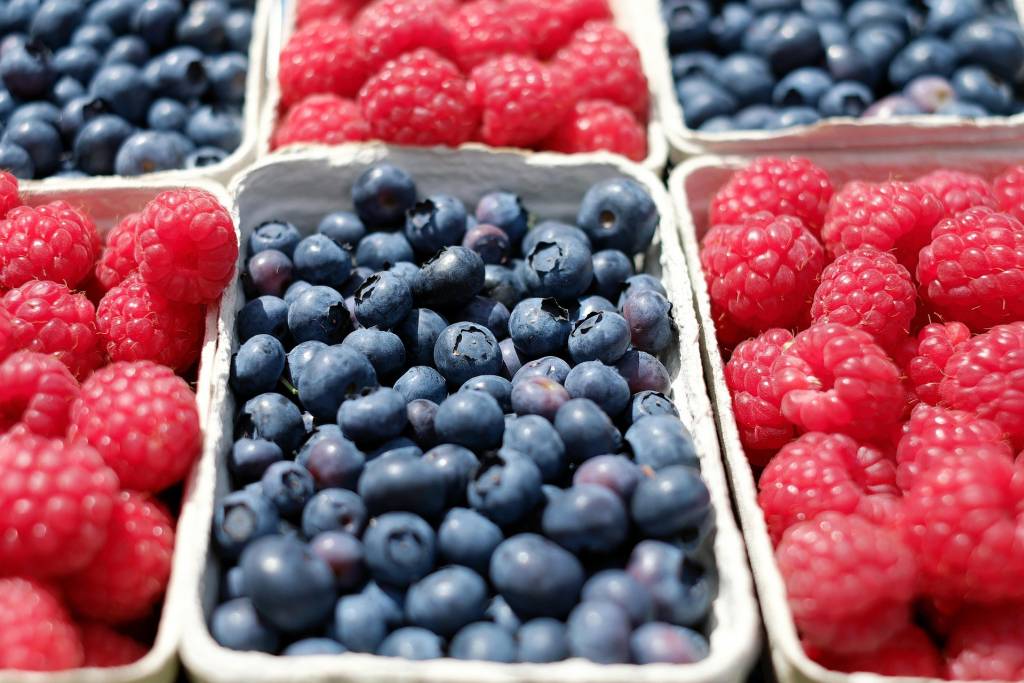
- Berries
- Apples
- Oranges
- Bananas
Lean Protein Sources
Protein is essential for:
- Muscle repair
- Recovery
- Maintaining lean body mass
Examples:
- Fish
- Eggs
- Chicken
- Greek yogurt
- Beans
- Lentils
Whole Grains
Whole grains provide:
- Slow-release energy
- Fiber
- Important minerals
Examples:
- Oats
- Brown rice
- Whole-grain bread
- Quinoa
Healthy Fats
Healthy fats support:
- Brain function
- Hormone production
- Cell health
Examples:
- Olive oil
- Nuts
- Seeds
- Avocado
The Role of Macronutrients
A balanced diet includes three main macronutrients:
Protein
Protein is important for:
- Muscle growth
- Recovery
- Satiety
It helps people feel full and supports healthy body composition.
Carbohydrates
Carbohydrates are the body’s preferred energy source.
They support:
- Exercise performance
- Brain function
- Daily activity
The quality of carbohydrates matters.
Complex carbohydrates from whole foods generally provide more benefits than highly processed sources.
Fats
Fat is not something to avoid.
Healthy fats are necessary for:
- Hormone balance
- Brain health
- Vitamin absorption
The focus should be choosing healthier fat sources.
Calories and Weight Management
Calories still play a major role in body weight.
The basic principles remain:
- Calorie deficit → weight loss
- Calorie maintenance → stable weight
- Calorie surplus → weight gain
However, food quality affects how easy it is to maintain these balances.
A diet rich in whole foods often makes weight management easier because:
- Protein increases fullness
- Fiber supports appetite control
- Nutrient-rich foods improve energy
Why Processed Foods Can Make Weight Management Difficult
Highly processed foods are often:
- High in calories
- Low in nutrients
- Easy to overconsume
Examples include:
- Sugary drinks
- Candy
- Fast food
- Highly processed snacks
These foods are not necessarily “forbidden,” but they should usually be balanced with more nutritious choices.
The Importance of a Balanced Approach
Healthy eating does not require perfection.
A sustainable diet allows flexibility.
A balanced approach may include:
- Mostly whole, nutritious foods
- Occasional treats
- Enjoying meals socially
- Adjusting portions based on goals
The goal is not to create fear around food.
The goal is to create a lifestyle that supports health.
How to Build a More Nutritious Plate
A simple method is to include:
Half the plate:
Vegetables and fruits
One quarter:
Protein source
One quarter:
Complex carbohydrates
Plus a source of healthy fats.
This approach helps create meals that provide energy and essential nutrients.
The Connection Between Nutrition and Long-Term Health
Good nutrition supports:
- Healthy aging
- Strong immunity
- Better energy
- Improved physical performance
- Healthy body composition
Over time, daily food choices influence how the body functions.
Nutrition is not about one meal or one day—it is about consistent patterns.
Common Mistakes About Nutrition
Mistake 1: Only focusing on calories
Calories matter, but they do not tell the whole story.
Mistake 2: Eliminating entire food groups
Most people can benefit from a balanced approach rather than unnecessary restrictions.
Mistake 3: Searching for a “perfect diet”
The best diet is the one that fits your lifestyle and can be maintained long term.
Mistake 4: Ignoring protein and fiber
These nutrients play a major role in fullness, muscle health, and overall nutrition.
Final Thoughts
Calories provide energy, but nutrition provides the foundation for health.
Understanding the difference between the two helps you make smarter food choices and create a balanced approach to eating.
Healthy weight management is not only about counting numbers. It is about giving your body the right fuel to function, perform, recover, and stay healthy.
The best approach combines:
- Appropriate calorie intake
- High-quality foods
- Regular physical activity
- Good sleep
- Sustainable habits
When you focus on both calories and nutrition, you create a healthier relationship with food and support your body for the long term.