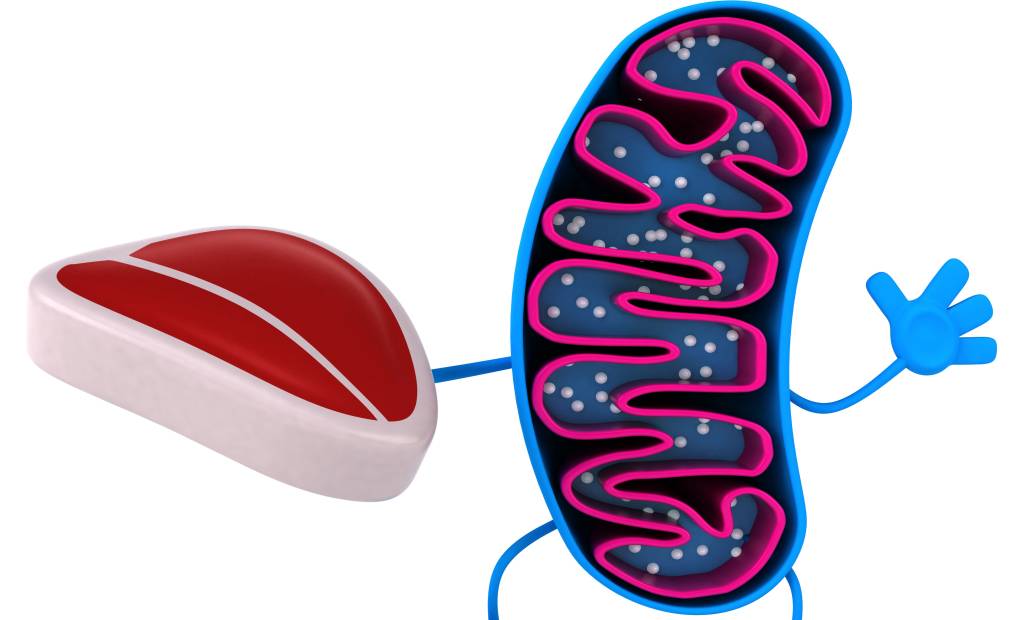
The word metabolism is often used when people talk about weight loss, weight gain, and calorie burning. You may have heard someone say they have a “fast metabolism” or a “slow metabolism,” but what does metabolism actually mean?
Metabolism is the collection of chemical processes that keep your body alive and functioning.
Your body is constantly using energy—even when you are sleeping or sitting still. Your heart is beating, your lungs are working, your brain is active, and your cells are carrying out countless processes.
Understanding how metabolism works can help explain why people have different calorie needs and why maintaining a healthy weight involves more than simply counting calories.
What Is Metabolism?
Metabolism refers to all the chemical processes your body uses to convert food and stored energy into fuel.
Your body needs this energy to:
- Breathe
- Pump blood
- Maintain body temperature
- Move
- Digest food
- Repair tissues
- Support brain function
- Maintain organs and cells
In other words, metabolism is happening all the time.
Even when you are completely at rest, your body continues to burn calories.
What Is Basal Metabolic Rate?
One of the most important concepts related to metabolism is Basal Metabolic Rate (BMR).
BMR represents the approximate amount of energy your body needs to maintain basic physiological functions while at rest.
These functions include:
- Breathing
- Heart function
- Brain activity
- Circulation
- Maintaining body temperature
- Supporting organs
Your BMR can account for a large portion of the calories you burn each day.
This is why your body needs energy even if you spend the entire day resting.
What Determines Your BMR?
Several factors influence your basal metabolic rate.
Body Size
Larger bodies generally require more energy to maintain basic functions.
Muscle Mass
Muscle tissue requires energy to maintain, so people with more lean muscle mass may have higher energy requirements.
Age
Metabolic needs can change with age, partly because body composition and muscle mass can change.
Sex
Average body composition differences mean that men and women may have different average metabolic rates, although individual variation is significant.
Genetics
Genetics can influence metabolism and body composition, contributing to differences between individuals.
What Is TDEE?
Another important term is Total Daily Energy Expenditure, or TDEE.
TDEE represents the total amount of energy your body uses throughout an average day.
It includes several components:
1. Basal Metabolic Rate
The energy required for basic body functions.
2. Physical Activity
Energy used for exercise and everyday movement.
This includes:
- Walking
- Running
- Cycling
- Training
- Household activities
3. Thermic Effect of Food
Your body also uses energy to digest, absorb, and process the food you eat.
4. Non-Exercise Activity
This includes movement that is not structured exercise, such as:
- Standing
- Walking around the house
- Working
- Climbing stairs
- Moving during the day
These activities can add up significantly.
Why Does TDEE Matter for Weight Management?
TDEE provides an estimate of how many calories your body uses each day.
It can help explain the basic relationship between calorie intake and body weight.
If calorie intake is approximately equal to TDEE:
Body weight tends to remain relatively stable.
If calorie intake is consistently below TDEE:
Weight tends to decrease.
If calorie intake is consistently above TDEE:
Weight tends to increase.
This is the foundation of energy balance.
Can You Really Have a “Fast” or “Slow” Metabolism?
Yes, people can have different metabolic rates.
However, metabolism is often misunderstood.
A person who appears to “eat anything and never gain weight” may have:
- Higher daily activity
- Different appetite regulation
- More muscle mass
- Different food choices
- Different portion sizes
Someone who thinks they have a slow metabolism may actually have lower activity levels or consume more calories than they realize.
Metabolism is only one part of the overall energy balance equation.
Does Muscle Increase Calorie Burning?
Building muscle can increase energy expenditure, but the effect is sometimes exaggerated.
Muscle tissue does require energy to maintain, and having more lean mass generally contributes to higher energy needs.
However, gaining muscle does not suddenly cause the body to burn hundreds of additional calories every day.
The bigger benefit of strength training is that it helps:
- Build and maintain muscle
- Improve strength
- Support physical function
- Improve body composition
- Increase activity capacity
Can Exercise Boost Metabolism?
Physical activity increases energy expenditure.
Exercise can also help maintain or build muscle, which contributes to overall metabolic health.
Different forms of exercise have different effects.
Cardio
Activities such as:
- Walking
- Running
- Cycling
- Swimming
can increase calorie expenditure during activity.
Strength Training
Resistance training helps build and maintain muscle.
Everyday Movement
Daily movement can be surprisingly important.
Walking more, standing regularly, using stairs, and staying active throughout the day can contribute significantly to total energy expenditure.
The Thermic Effect of Food
Your body does not use all calories from food without spending energy.
Digestion itself requires energy.
This is known as the thermic effect of food (TEF).
Different macronutrients require different amounts of energy to digest and process.
Protein generally has a higher thermic effect than carbohydrates and fats.
This is one reason why a balanced diet with adequate protein can be helpful for weight management.
Does Eating More Frequently Speed Up Metabolism?
This is a common nutrition myth.
There is no strong reason to believe that simply eating more frequently dramatically increases your overall metabolism.
Whether you eat three meals or several smaller meals, total calorie intake and overall energy expenditure remain much more important factors.
Meal frequency should therefore be based on personal preference, hunger, schedule, and lifestyle.
Can Certain Foods “Boost” Your Metabolism?
You may see products or diets claiming to dramatically increase metabolism.
Most of these claims are exaggerated.
Some foods and substances can have small effects on energy expenditure, but there is no magic food that can transform your metabolism.
The most reliable strategies are much simpler:
- Stay physically active
- Build and maintain muscle
- Eat enough protein
- Get adequate sleep
- Maintain a healthy body weight
- Follow a balanced diet
How Sleep Affects Metabolism and Weight
Sleep plays an important role in overall health and weight management.
Poor sleep can affect:
- Hunger
- Food cravings
- Energy levels
- Physical activity
- Eating behavior
When you are tired, it can also become more difficult to maintain healthy habits.
Good nutrition and exercise are important, but recovery and sleep should not be overlooked.
Can Metabolism Slow Down During Weight Loss?
The body can adapt when calorie intake and body weight decrease.
As a person loses weight, their body generally requires fewer calories because there is less body mass to maintain.
Changes in activity and adaptive physiological responses can also affect energy expenditure.
This is one reason why weight loss can slow down over time.
It does not necessarily mean that your metabolism is “broken.”
How to Support a Healthy Metabolism
There is no need for extreme methods.
Focus on the basics:
Stay active
Regular movement helps maintain energy expenditure.
Strength train
Resistance exercise supports muscle mass.
Eat enough protein
Protein supports muscle maintenance and recovery.
Get enough sleep
Good sleep supports healthy appetite and energy regulation.
Avoid extreme dieting
Very restrictive diets can make maintaining muscle and healthy activity levels more difficult.
Eat a balanced diet
Your body needs a wide range of nutrients to function properly.
Metabolism and Weight Loss: The Bigger Picture
Metabolism is important, but it is only one part of weight management.
Your body weight is influenced by the interaction between:
- Calorie intake
- Energy expenditure
- Physical activity
- Food choices
- Body composition
- Sleep
- Genetics
- Lifestyle
There is no single factor that determines whether someone will gain or lose weight.
Understanding this can help replace the idea of a “broken metabolism” with a more realistic understanding of energy balance.
Final Thoughts
Metabolism is much more than simply “how fast you burn calories.”
Your body is constantly using energy to maintain basic functions, process food, move, exercise, and support everyday life.
Understanding BMR, TDEE, physical activity, and the thermic effect of food can help you better understand your personal calorie needs.
Rather than searching for a magic metabolism-boosting food or supplement, focus on the fundamentals: regular movement, strength training, adequate protein, quality nutrition, good sleep, and sustainable habits.
Your metabolism is a complex system, but healthy habits can support it and your overall health.
Frequently Asked Questions
What is metabolism?
Metabolism is the collection of chemical processes through which your body converts and uses energy to support life and daily functions.
What is BMR?
BMR, or Basal Metabolic Rate, is the approximate amount of energy your body needs at rest to maintain essential physiological functions.
What is TDEE?
TDEE stands for Total Daily Energy Expenditure. It represents the total amount of energy your body uses during an average day.
Does muscle increase metabolism?
Having more muscle generally increases energy requirements, although the effect is moderate rather than dramatic.
Can you permanently speed up your metabolism?
There is no simple way to dramatically increase metabolism permanently. Maintaining muscle, staying active, eating adequately, and getting good sleep can support healthy energy expenditure.
Does eating more meals increase metabolism?
Meal frequency by itself does not dramatically increase total daily energy expenditure. Overall calorie intake, activity, and body composition are more important.
Internal Links
- How Many Calories Do You Need Each Day?
→ when explaining individual calorie requirements. - How Many Calories Should I Eat to Lose Weight?
→ when discussing TDEE and calorie deficits. - Calorie Deficit: The Key to Healthy Weight Loss
→ for a deeper explanation of energy balance. - Calorie Surplus: How to Gain Weight the Healthy Way
→ when discussing energy surplus. - Calories vs. Nutrition: Why Food Quality Matters
→ when discussing protein and food quality.