When people think about hydration, they usually think about drinking a glass of water. While beverages are an important source of fluids, they are not the only way the body receives water. A significant portion of daily water intake can come from the foods we eat, particularly fruits, vegetables, soups, dairy products, and other foods with a high water content.
Understanding the relationship between food and hydration can make it easier to maintain healthy fluid balance throughout the day. It also highlights an important connection between hydration and nutrition: the foods that provide water often provide valuable vitamins, minerals, fiber, and other nutrients at the same time.
How Much Water Comes From Food?
The exact amount of water obtained from food varies considerably depending on dietary habits. For people who regularly consume fruits, vegetables, soups, and other water-rich foods, food can make a meaningful contribution to total daily water intake.
Many fruits and vegetables contain between 80% and more than 90% water by weight. This means that eating a serving of these foods provides not only nutrients but also a considerable amount of fluid.
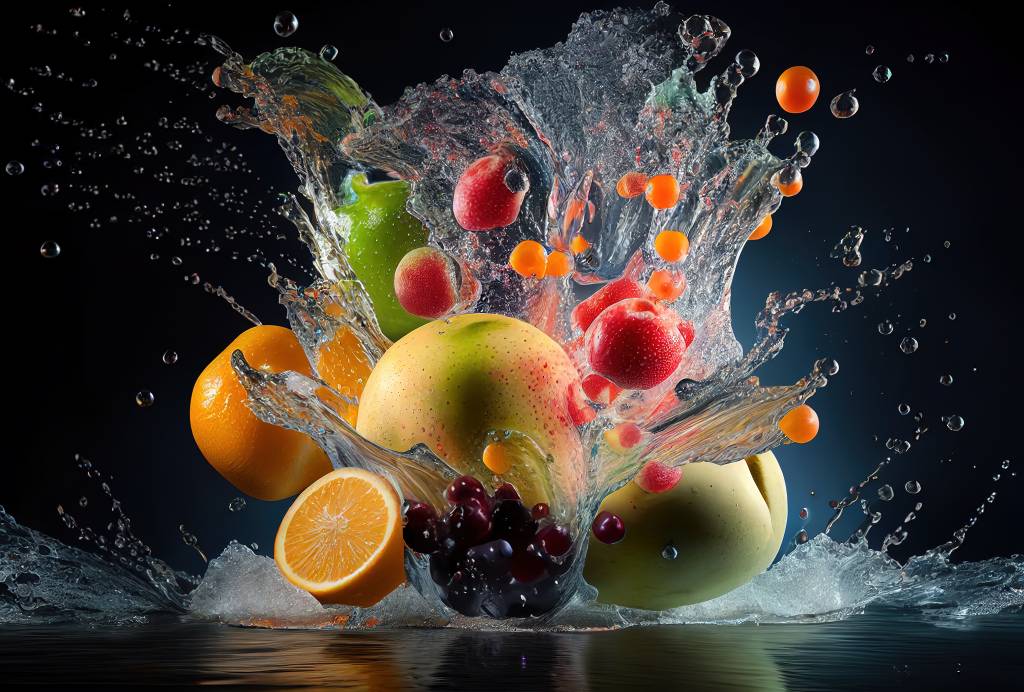
Watermelon, strawberries, oranges, peaches, cucumbers, lettuce, tomatoes, zucchini, and many other foods are excellent examples.
This does not mean that eating water-rich foods eliminates the need to drink fluids. Instead, food and beverages work together to maintain the body’s overall fluid balance.
Fruits: A Natural Source of Water
Fruits are among the most convenient foods for supporting hydration.
Watermelon is particularly well known for its high water content. It also provides vitamin C, carotenoids, and other plant compounds. Strawberries, oranges, grapefruit, peaches, and pineapple also contain substantial amounts of water.
Besides contributing fluids, fruit provides carbohydrates that can help supply energy, as well as vitamins, minerals, antioxidants, and dietary fiber.
For someone who struggles to drink enough water, including water-rich fruits in meals and snacks can be a simple way to increase overall fluid intake.
For example, a breakfast containing yogurt and berries, a snack of an orange or peach, or a serving of watermelon during a hot summer day can contribute both hydration and nutrition.
Vegetables Can Be Even More Hydrating
Many vegetables contain even higher proportions of water than commonly eaten fruits.
Cucumbers, lettuce, celery, tomatoes, zucchini, radishes, and bell peppers are all examples of vegetables with high water content.
Because vegetables are also rich in fiber, vitamins, minerals, and various plant compounds, they can contribute to both hydration and overall dietary quality.
Adding cucumber and tomato to a salad, eating raw vegetables as a snack, or incorporating zucchini and other vegetables into cooked meals can increase the amount of water obtained from food without requiring any special effort.
Soups and Broths
Soups are another practical way to combine hydration and nutrition.
Because their main ingredient is usually water or broth, soups can provide significant amounts of fluid. Vegetable soups, bean soups, chicken soups, and similar meals can contribute to daily hydration while also providing protein, carbohydrates, fiber, vitamins, and minerals.
However, the nutritional quality of soup can vary considerably. Some commercial soups contain very high amounts of sodium. Excessive sodium intake can increase thirst and may be inappropriate for people who need to limit their salt intake.
For this reason, homemade soups prepared with vegetables, legumes, lean proteins, and moderate amounts of salt can be a particularly useful option.
Dairy Products and Other Foods
Milk and yogurt also contain substantial amounts of water. In addition to fluids, they provide nutrients such as protein, calcium, and other essential nutrients.
Smoothies can also contribute to hydration, particularly when prepared using fruit, vegetables, yogurt, or milk. However, smoothies can be relatively high in calories depending on their ingredients and portion size, so they should be considered part of the overall diet rather than simply a replacement for water.
Foods such as oatmeal and cooked grains also contain water, although their water content varies depending on preparation.
Even foods that do not appear particularly “watery” can contribute to total fluid intake when they are prepared with water.
Why Water-Rich Foods Are More Than Just Water
One of the major advantages of obtaining some water from food is that hydration can be combined with nutrition.
A glass of water provides fluid, but a serving of strawberries provides water together with vitamin C, fiber, and various plant compounds. A cucumber provides water along with vitamins and minerals. A vegetable soup can provide fluids together with fiber, protein, and micronutrients.
This makes water-rich foods an important component of a balanced diet.
However, this should not be interpreted as a reason to replace drinking water with food. The body needs both adequate fluid intake and a nutritious diet.
Hydration and Fiber Work Together
Water and dietary fiber have a particularly important relationship.
Fiber absorbs water and increases the volume of intestinal contents, helping support normal bowel movements. Soluble fiber can form a gel-like substance when mixed with water, while insoluble fiber contributes bulk to stool.
When people significantly increase their fiber intake without also consuming enough fluids, they may experience bloating or constipation.
For this reason, a diet rich in fruits, vegetables, whole grains, legumes, nuts, and seeds should be accompanied by adequate fluid intake.
Water-Rich Foods During Exercise and Hot Weather
Water-rich foods can also be useful during periods of increased fluid loss.
On hot summer days, fruits and vegetables can provide additional fluid alongside regular drinking. A bowl of watermelon, a fresh salad, or a piece of fruit can be a refreshing addition to meals and snacks.
However, people who exercise intensely or sweat heavily should not rely exclusively on food for hydration. Significant fluid losses can occur quickly during prolonged physical activity, and drinking fluids remains important.
For longer periods of intense exercise, particularly in hot conditions, electrolytes may also need to be considered.
Can Water-Rich Foods Replace Drinking Water?
Not completely.
Although food contributes to total hydration, drinking water remains one of the easiest and most efficient ways to provide the body with fluid.
Water contains no calories, sugar, or unnecessary additives, making it a practical everyday beverage. It can also be consumed in quantities that are difficult to obtain from food alone.
The best approach is therefore to combine regular fluid consumption with a balanced diet containing plenty of water-rich foods.
Building a Hydrating Diet
Creating a more hydrating diet does not require complicated meal plans.
Simple habits can make a difference:
- Add fruit to breakfast or snacks.
- Include vegetables with lunch and dinner.
- Eat salads regularly.
- Choose soups occasionally as part of a balanced meal.
- Keep fresh fruit available during the day.
- Include yogurt or other nutritious foods with a high water content.
- Drink water regularly alongside meals and between them.
These habits provide both fluid and important nutrients.
Try free Daily Water Intake Calculator
The Bottom Line
Hydration does not come exclusively from a water bottle.
The foods we eat can make a meaningful contribution to daily fluid intake, especially when the diet includes plenty of fruits, vegetables, soups, and other foods with a high water content.
Water-rich foods have an additional advantage: they provide hydration together with vitamins, minerals, fiber, antioxidants, and other nutrients that support overall health.
Nevertheless, drinking water remains an essential part of maintaining fluid balance. Food and beverages should be viewed as complementary sources of hydration rather than competing choices.
Ultimately, the healthiest approach is simple: drink regularly, eat a varied diet, and include plenty of naturally water-rich foods. Together, these habits can help maintain hydration while supporting the nutritional needs of the entire body.