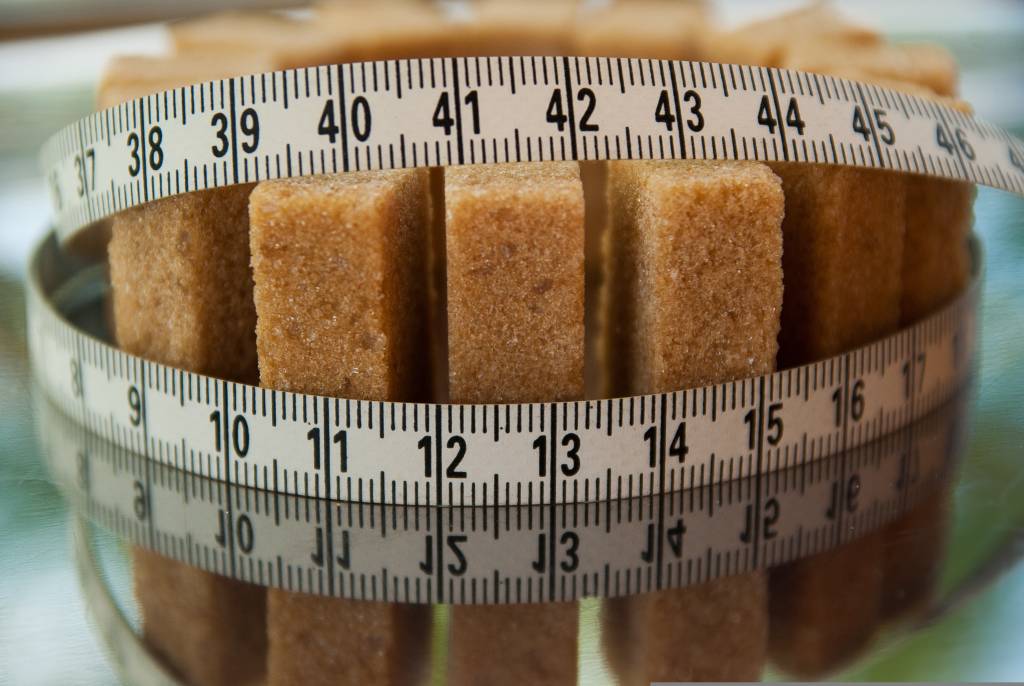

A calorie target that is too low can leave you hungry and tired. One that is too high may make a weight-loss goal feel frustratingly slow. The same problem applies to protein, hydration and daily movement: general advice is useful, but it cannot account for your body, routine and goal. Fitness calculators give you a practical starting point by turning a few personal details into numbers you can use.
The value is not in chasing perfect figures. It is in replacing guesswork with an informed plan, then adjusting that plan as you learn how your body responds. Used well, these tools can help you understand your body and build habits that support lasting progress.
What fitness calculators can tell you
Fitness calculators use information such as your age, sex, height, weight, activity level and goal to estimate key health and fitness metrics. They cannot measure every factor that affects your results, but they can provide a sensible baseline for daily decisions.
A basal metabolic rate, or BMR, calculator estimates the energy your body uses at rest to keep you alive and functioning. This includes essential processes such as breathing, circulation and temperature regulation. Your BMR is not your calorie target, because you also burn energy through walking, work, exercise and everyday movement.
That is where total daily energy expenditure, often called TDEE, becomes useful. A TDEE estimate builds on BMR by taking your typical activity level into account. It gives you an approximate maintenance calorie intake: the amount that may help you maintain your current weight over time.
From there, a weight-loss plan calculator can suggest a moderate calorie deficit, while a muscle-building goal may call for a smaller calorie surplus. A protein calculator can turn your body weight and goal into a daily protein range. Hydration, step-goal, body-fat and healthy-weight calculators add further context, helping you look beyond the bathroom scales alone.
Fitness calculators work best as a connected picture
It is tempting to use one result in isolation. For example, you might find a calorie target and focus only on eating below it. In practice, the most helpful approach is to look at several metrics together.
If your calorie target is lower than expected, your protein target can help you plan meals that are more filling and supportive of muscle maintenance. If your step goal is currently far above your normal activity, it may be wiser to increase gradually rather than force an unsustainable routine. If body-fat estimates and scale weight tell slightly different stories, waist measurements, strength and energy levels can provide useful additional clues.
The figures should support your decisions, not take over every decision. A calculator cannot know whether you have had a poor night’s sleep, started a physically demanding job or are recovering from illness. Your real-life experience remains part of the data.
Start with maintenance, then choose a clear goal
For many people, a TDEE estimate is the most useful first number. If you want to maintain your weight, begin near that level and observe your trend for two to four weeks. Daily scale changes are normal because water, food intake, salt, hormones and digestion all affect weight. Look at weekly averages instead of reacting to a single weigh-in.
For weight loss, a moderate calorie deficit is generally easier to maintain than an aggressive one. A slower rate may feel less dramatic, but it often leaves more room for satisfying meals, training and normal social life. If you want to gain muscle, a modest surplus paired with regular resistance training is usually more appropriate than simply eating as much as possible.
Your best target depends on your starting point, activity level and preferences. Someone who enjoys long walks may create part of their calorie deficit through extra movement. Someone with a busy schedule may prefer to keep activity steady and make a few changes to meals. Both approaches can work when they are realistic enough to repeat.
Use protein and hydration targets to shape your routine
A daily protein target is easier to reach when it is spread across meals rather than saved for one large dinner. If your target is 100 grams, for example, you might aim for roughly 25 to 35 grams at each main meal, with a protein-rich snack if needed. Foods such as yoghurt, eggs, fish, lean meat, beans, lentils, tofu and cottage cheese can all contribute.
Hydration needs also vary with body size, weather, exercise and how much you sweat. A hydration calculator can provide a useful daily estimate, but it is not a rule that requires constant measuring. Keep water available, drink regularly through the day and increase intake around longer or hotter workouts. Pale yellow urine is often a practical sign that hydration is broadly adequate, although some medicines and supplements can affect colour.
How to get more reliable results
Calculator outputs are estimates, so accurate inputs matter. Use a recent body weight, measure your height carefully and be honest about your usual activity. A desk-based worker who trains three times a week may still have a lower overall activity level than someone who walks extensively during a manual job.
Avoid changing several variables at once when you are testing a plan. If you lower calories, begin a new training programme and double your step count in the same week, it becomes difficult to tell what is helping or causing fatigue. Start with one or two manageable adjustments and review them consistently.
It also helps to track more than weight. Consider your average weight trend, waist measurement, strength in the gym, daily energy, hunger, sleep and how your clothes fit. These signals create a more balanced view of progress, especially if you are building muscle or returning to exercise after a break.
When a calculator needs professional context
Fitness calculators are designed for general guidance, not diagnosis or medical treatment. Pregnancy, breastfeeding, adolescence, older age, a history of disordered eating, diabetes, thyroid conditions, kidney disease and certain medicines can all change what is appropriate for you. In these cases, speak with a GP, registered dietitian or other qualified healthcare professional before making major changes to calorie intake or exercise.
The same applies if you experience persistent dizziness, extreme fatigue, missed periods, rapid unexplained weight change or anxiety around food and tracking. Health improvement should make daily life feel more capable and supported, not more restricted.
Turn your results into a weekly habit
A number only becomes useful when it influences a repeatable action. Once you have your estimates, choose a simple weekly routine: plan a few meals around your protein target, keep a water bottle nearby, schedule exercise you genuinely enjoy and add a realistic amount of walking to your day.
Review your progress after a few weeks, not every few hours. If your weight trend, energy and routine are moving in the right direction, stay consistent. If not, make a small adjustment rather than abandoning the plan. Fit Metrics Lab calculators are intended to make this process clearer: useful data, practical choices and steady habits you can keep.
Your starting numbers do not define you. They simply give you a clearer place to begin, so each meal, walk and workout can become a confident step towards the health goals that matter to you.