
Why Most Diets Fail
Millions of people start a new diet every year hoping to lose weight quickly. Social media, magazines, and advertisements often promise dramatic results through restrictive eating plans, detoxes, or “miracle” foods.
While these approaches may produce short-term weight loss, they rarely lead to lasting success.
The problem is not a lack of motivation. More often, the problem is that many diets are difficult to maintain because they rely on strict rules rather than sustainable habits.
Healthy weight loss is not about finding the perfect diet. It is about creating eating habits that support your health while helping you achieve and maintain a healthy body weight over time.
Understanding Weight Loss: The Principle of Energy Balance
Body weight is influenced by many factors, including genetics, hormones, physical activity, sleep, medications, and lifestyle. However, one fundamental principle remains central to weight management:
Energy balance.
Your body constantly uses energy to support basic functions such as breathing, circulation, digestion, and movement. This energy is measured in calories.
- If you consistently consume more calories than your body uses, weight tends to increase.
- If you consistently consume fewer calories than your body uses, weight tends to decrease.
This state is known as a calorie deficit.
A calorie deficit does not have to be extreme. In fact, gradual and moderate changes are generally more sustainable than severe restrictions.
Why Crash Diets Rarely Work
Many popular diets focus on rapid results by eliminating major food groups or drastically reducing calorie intake.
Examples include:
- Extremely low-calorie diets
- Juice cleanses
- Detox diets
- Very restrictive carbohydrate plans
- Single-food diets
Although these approaches may produce quick weight loss initially, they often come with challenges such as:
- Persistent hunger
- Low energy
- Difficulty maintaining muscle mass
- Nutrient deficiencies
- Strong cravings
- Regaining lost weight after the diet ends
Research consistently shows that long-term success depends more on maintaining healthy habits than on following highly restrictive diets.
What Does Healthy Eating for Weight Loss Look Like?
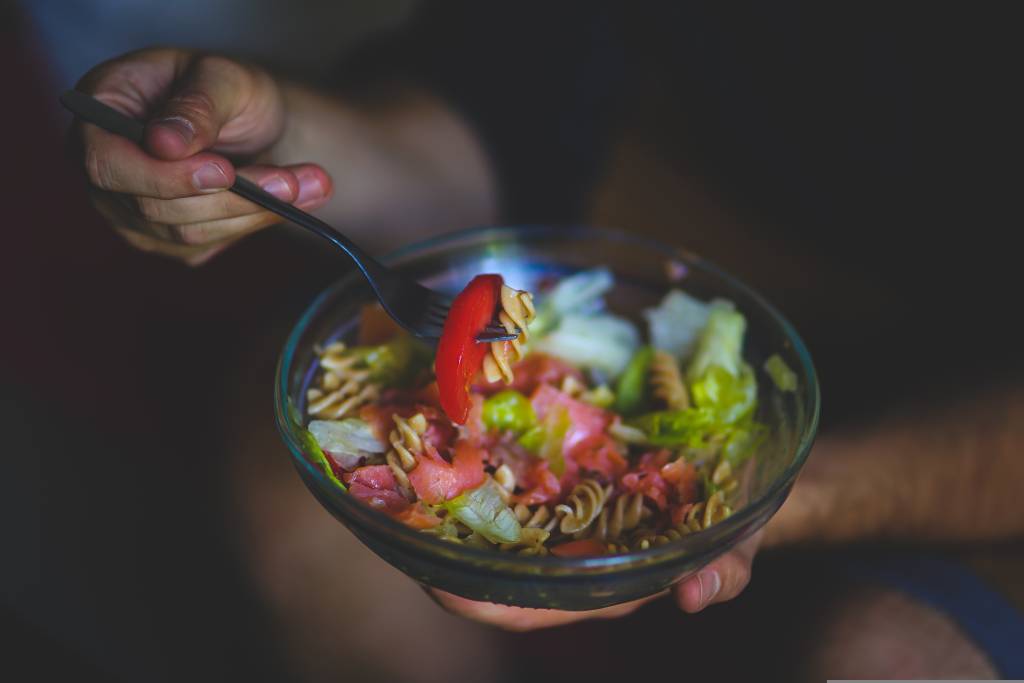
Rather than focusing on what to eliminate, healthy eating emphasizes what to include.
A balanced eating pattern typically contains:
- Plenty of vegetables
- Fruits
- Whole grains
- Lean protein sources
- Healthy fats
- Fiber-rich foods
These foods help provide essential nutrients while supporting satiety and overall health.
Weight loss should never come at the expense of good nutrition.
Protein: Your Best Friend During Weight Loss
Protein plays a unique role during weight loss.
It helps:
- Preserve lean muscle mass
- Increase feelings of fullness
- Support recovery after exercise
- Reduce hunger between meals
Including a source of protein with each meal can make it easier to maintain a calorie deficit without constantly feeling hungry.
Examples include:
- Eggs
- Chicken
- Fish
- Greek yogurt
- Cottage cheese
- Tofu
- Lentils
- Beans
Fiber: The Secret to Feeling Full
Fiber is another important nutrient for weight management.
Foods rich in fiber tend to:
- Take longer to digest
- Increase meal volume
- Slow digestion
- Improve satiety
Excellent fiber-rich foods include:
- Vegetables
- Fruits
- Beans
- Lentils
- Oats
- Whole grains
- Chia seeds
Together, protein and fiber create meals that are both satisfying and nutrient-dense.
Healthy Fats Are Not the Enemy
For many years, fat was blamed for weight gain. Today we know that healthy fats are an important part of a balanced diet.
Healthy fat sources include:
- Olive oil
- Avocados
- Nuts
- Seeds
- Fatty fish
Because fats are calorie-dense, portion size still matters, but completely avoiding fat is neither necessary nor beneficial.
Portion Size Matters
Even healthy foods contain calories.
Large portions of energy-dense foods can make it difficult to maintain a calorie deficit.
Simple strategies include:
- Using smaller plates
- Eating slowly
- Paying attention to hunger and fullness signals
- Avoiding distracted eating
Mindful eating often helps people recognize when they are comfortably satisfied rather than overly full.
Weight Loss Is About More Than Food
Nutrition is only one piece of the puzzle.
Successful weight management also depends on:
Physical Activity
Regular exercise supports:
- Energy expenditure
- Muscle preservation
- Cardiovascular health
- Long-term weight maintenance
Sleep
Poor sleep may increase hunger, cravings, and fatigue, making healthy choices more difficult.
Adults should aim for consistent, high-quality sleep whenever possible.
Stress Management
Chronic stress may influence eating behavior and contribute to emotional eating.
Developing healthy coping strategies such as exercise, walking, relaxation, or hobbies can support healthier eating habits.
Common Weight Loss Mistakes
Many people unintentionally make weight loss harder than it needs to be.
Common mistakes include:
- Skipping meals
- Eliminating entire food groups without medical reasons
- Drinking calories without realizing it
- Expecting rapid results
- Following unrealistic diet trends
Long-term success usually comes from consistency rather than perfection.
Myth vs. Fact
Myth:
Carbohydrates cause weight gain.
Fact:
Carbohydrates do not automatically lead to weight gain. Total calorie intake and overall diet quality are more important than avoiding one nutrient.
Myth:
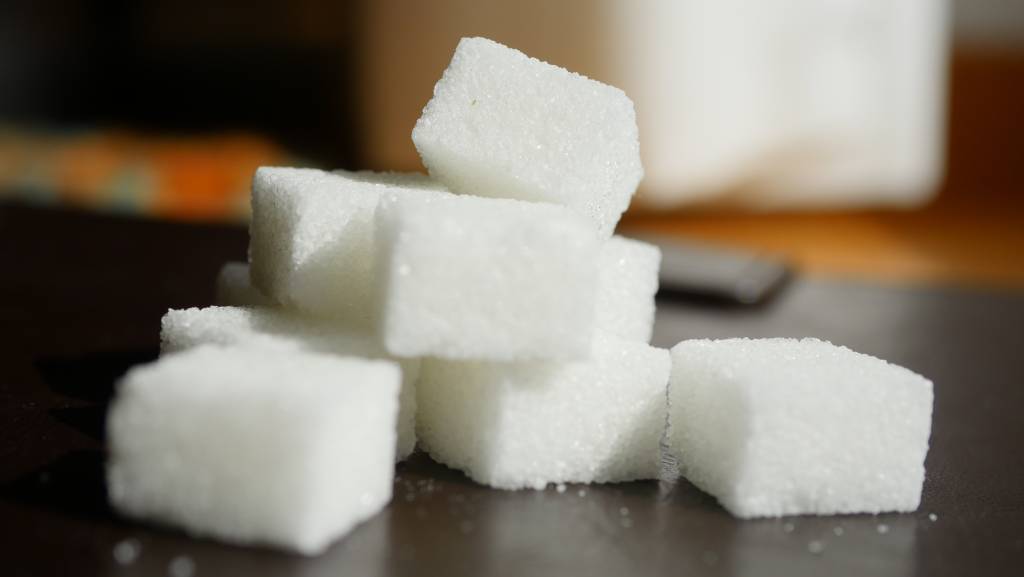
You must completely avoid sugar.
Fact:
Occasional treats can fit into a balanced diet. Long-term eating patterns matter more than individual foods.
Myth:
The faster you lose weight, the better.
Fact:
Gradual, sustainable weight loss is generally easier to maintain and may better preserve muscle mass.
Practical Tips for Sustainable Weight Loss
✔ Prioritize protein at every meal
✔ Eat more vegetables and fruit
✔ Choose whole grains over refined grains more often
✔ Drink water instead of sugary beverages
✔ Stay physically active
✔ Plan meals in advance
✔ Focus on habits instead of perfection
What the Research Suggests
Current nutrition research consistently supports several key principles:
- A moderate calorie deficit is more sustainable than severe restriction.
- Higher protein intake during weight loss may help preserve lean body mass.
- Fiber-rich foods improve satiety and support overall diet quality.
- Regular physical activity helps with long-term weight maintenance.
- No single food causes weight loss; overall dietary patterns matter most.
Key Takeaways
✔ Sustainable weight loss is built on healthy habits, not quick fixes.
✔ A calorie deficit is necessary for weight loss, but extreme restriction is not.
✔ Protein and fiber can improve fullness and support long-term success.
✔ Exercise, sleep, and stress management all influence body weight.
✔ Consistency is more important than perfection.
Frequently Asked Questions
What is the healthiest diet for weight loss?
The healthiest diet is one that provides adequate nutrition, creates a moderate calorie deficit, and can be maintained over the long term.
Do I need to stop eating carbohydrates?
No. Whole grains, fruits, vegetables, and legumes provide valuable nutrients and can be part of a healthy weight loss plan.
How much protein should I eat when trying to lose weight?
Protein needs vary depending on age, body size, activity level, and goals. Including a protein source at each meal is a practical starting point.
Can I lose weight without exercising?
Weight loss is possible through dietary changes alone, but regular physical activity offers many additional health benefits and helps support long-term weight maintenance.
How quickly should I expect to lose weight?
Healthy weight loss is usually gradual. Slow, consistent progress is generally more sustainable than rapid weight loss.
Related Articles
- The Ultimate Guide to Healthy Eating
- Macronutrients Explained
- The Importance of Fiber
- Hydration and Health
- Modern Lifestyle and Nutrition
Helpful Tools
- Calorie Calculator
- BMI Calculator
- BMR Calculator
- TDEE Calculator
Medical Disclaimer
This article is for educational purposes only and should not be considered medical advice. Consult a qualified healthcare professional before making significant dietary or lifestyle changes, particularly if you have a medical condition, are pregnant, or take prescription medications.
Suggested References
- World Health Organization (WHO)
- Harvard T.H. Chan School of Public Health
- Academy of Nutrition and Dietetics
- National Institutes of Health (NIH)
- European Food Safety Authority (EFSA)