Healthy Eating Starts Before You Sit Down to Eat
Many people believe healthy eating is mainly about willpower. In reality, one of the strongest predictors of healthy food choices is preparation.
When meals are planned in advance, people are generally more likely to eat balanced meals, save time, reduce food waste, and avoid last-minute decisions that often lead to less nutritious choices.
Meal planning is not about creating a rigid schedule or eating the same meals every day. It is about making healthy choices easier by having a simple plan.
Whether your goal is improving nutrition, losing weight, supporting fitness, or simply reducing daily stress, meal planning can become one of the most valuable habits you build.
What Is Meal Planning?
Meal planning means deciding in advance what you will eat over the coming days.
Some people plan one day ahead, while others prepare an entire week’s menu.
Meal planning may include:
- Choosing breakfast, lunch, dinner, and snacks
- Creating a grocery shopping list
- Preparing ingredients in advance
- Cooking meals ahead of time
- Organizing portions for busy days
The objective is not perfection but reducing the number of daily food decisions.
Why Meal Planning Works
Every day we make hundreds of small decisions.
When we are tired, stressed, or in a hurry, convenience often wins.
Meal planning reduces decision fatigue by making healthy choices available before hunger appears.
Research on behavior consistently shows that people are more likely to follow healthy habits when the desired option is the easiest one.
Benefits of Meal Planning
Planning meals offers several practical advantages.
Better Nutrition
A planned menu is more likely to include:
- Vegetables
- Fruits
- Lean proteins
- Whole grains
- Healthy fats
instead of relying on fast food or processed snacks.
Saves Time
Cooking several meals or preparing ingredients at once often saves time during the week.
Many people spend less total time cooking when meals are planned.
Saves Money
Planning meals helps reduce:
- Impulse purchases
- Restaurant spending
- Food delivery costs
- Unnecessary grocery shopping
Buying only what you need also helps control your food budget.
Reduces Food Waste
One of the biggest advantages is using ingredients more efficiently.
For example:
- Roast chicken can become tomorrow’s salad.
- Cooked rice can be used in stir-fries.
- Extra vegetables can be added to soups or omelets.
Planning helps ingredients serve multiple meals instead of ending up in the trash.
Building a Balanced Meal
A simple way to structure meals is to include four key components.
Lean Protein
Examples include:
- Chicken
- Fish
- Eggs
- Greek yogurt
- Cottage cheese
- Tofu
- Beans
- Lentils
Protein supports muscle maintenance and helps keep you full.
Complex Carbohydrates
Choose foods such as:
- Brown rice
- Oats
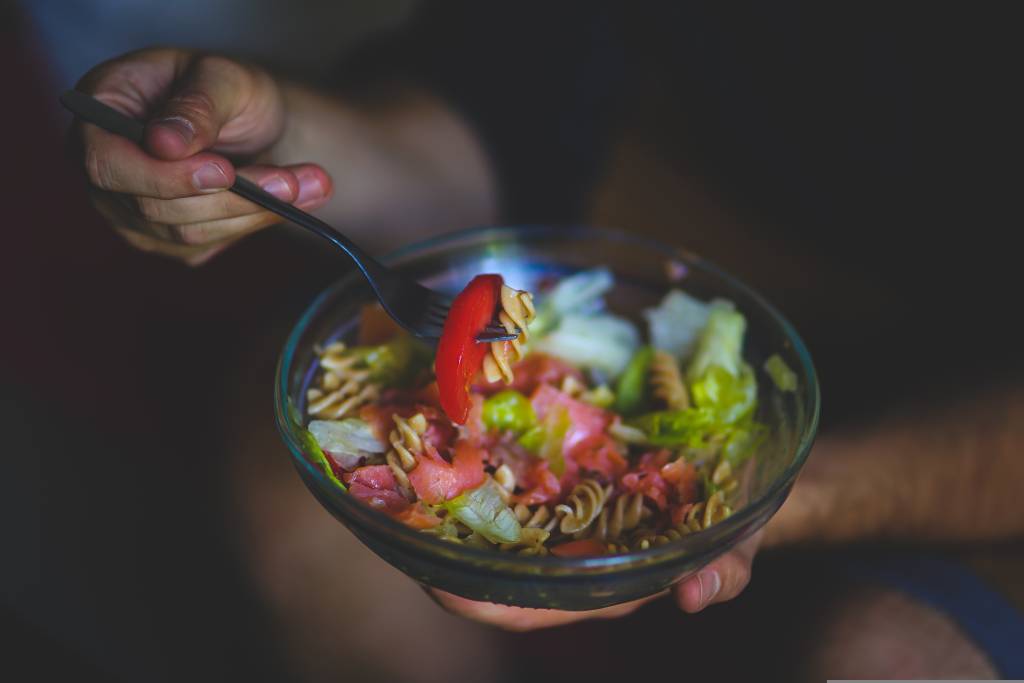
- Whole-grain pasta
- Quinoa
- Sweet potatoes
These provide steady energy and valuable nutrients.
Vegetables
Aim to include vegetables with most meals.
Different colors provide different vitamins, minerals, and plant compounds.
Healthy Fats
Healthy fat sources include:
- Olive oil
- Avocados
- Nuts
- Seeds
These contribute to overall health and make meals more satisfying.
Meal Prep vs. Meal Planning
These terms are often confused.
Meal Planning
Meal planning means deciding what you will eat.
Meal Prep
Meal preparation means preparing food ahead of time.
You can plan meals without preparing them, prepare meals without a detailed plan, or combine both approaches for the greatest convenience.
Grocery Shopping Made Easier
A good shopping list is one of the most valuable meal planning tools.
Try organizing your list by category.
Vegetables
- Broccoli
- Spinach
- Peppers
- Tomatoes
- Carrots
Fruit
- Apples
- Bananas
- Berries
- Oranges
Protein
- Chicken
- Eggs
- Greek yogurt
- Fish
- Beans
Whole Grains
- Oats
- Brown rice
- Whole-grain bread
- Quinoa
Healthy Fats
- Olive oil
- Almonds
- Walnuts
- Chia seeds
Shopping with a list can reduce impulse purchases and make grocery trips more efficient.
Healthy Snacks That Fit Any Plan
Snacks can help maintain energy between meals.
Good options include:
- Fresh fruit
- Greek yogurt
- Cottage cheese
- Mixed nuts
- Hummus with vegetables
- Hard-boiled eggs
The goal is not to snack constantly but to choose foods that support your overall nutrition.
Meal Planning for Weight Management
Meal planning can make maintaining a healthy weight easier.
It helps by:
- Reducing impulsive eating
- Controlling portion sizes
- Supporting consistent eating habits
- Making healthy choices more accessible
Planning meals also makes it easier to monitor overall calorie intake without obsessively counting every calorie.
Common Meal Planning Mistakes
Many beginners make the process more difficult than necessary.
Avoid these common mistakes:
- Planning overly complicated recipes
- Buying too much fresh food
- Ignoring your weekly schedule
- Trying to cook every meal from scratch
- Expecting perfection
Simple plans are often the most sustainable.
Practical Tips for Successful Meal Planning
✔ Plan meals before shopping.
✔ Cook larger portions that provide leftovers.
✔ Keep healthy frozen vegetables available.
✔ Prepare ingredients instead of complete meals if you prefer flexibility.
✔ Always have quick, healthy backup meals at home.
✔ Review your plan each week and adjust as needed.
Myth vs. Fact
Myth:
Meal planning is only for athletes or people trying to lose weight.
Fact:
Meal planning benefits anyone who wants to save time, reduce stress, and improve eating habits.
Myth:
Healthy meal planning takes hours every week.
Fact:
Many people can plan their weekly meals in 20–30 minutes.
Key Takeaways
✔ Meal planning simplifies healthy eating.
✔ Planning reduces stress and last-minute decisions.
✔ Balanced meals should include protein, vegetables, whole grains, and healthy fats.
✔ A grocery list saves both time and money.
✔ Small, consistent habits are more effective than perfect plans.
Frequently Asked Questions
How many days should I plan ahead?
Most people find planning 5–7 days works well, but even planning the next day can make healthy eating easier.
Do I have to cook every meal in advance?
No. Some people prepare complete meals, while others simply prepare ingredients ahead of time.
Is meal planning good for weight loss?
Yes. Meal planning can help control portions, reduce impulsive eating, and make healthier choices more convenient.
What if my schedule changes?
Meal plans should be flexible. Adjust them as needed rather than abandoning them completely.
Can meal planning save money?
Yes. Shopping with a plan often reduces food waste, impulse purchases, and restaurant spending.
Related Articles
- Healthy Eating for Weight Loss
- The Ultimate Guide to Healthy Eating
- Macronutrients Explained
- Fiber Benefits
- Hydration and Health
Helpful Tools
- Calorie Calculator
- BMI Calculator
- BMR Calculator
- TDEE Calculator
Medical Disclaimer
This article is for educational purposes only and should not be considered medical advice. Consult a qualified healthcare professional before making significant dietary or lifestyle changes.
Suggested References
- World Health Organization (WHO)
- Harvard T.H. Chan School of Public Health
- Academy of Nutrition and Dietetics
- National Institutes of Health (NIH)