
Protein is one of the most researched and discussed nutrients in nutrition and fitness. Despite its importance, many misconceptions continue to influence the way people think about protein intake, supplements, and high-protein diets.
Some people believe protein is only necessary for athletes, while others worry that consuming too much protein can harm the body. There are also misunderstandings about plant-based protein, protein supplements, and how much protein is actually needed for muscle growth and overall health.
Understanding the facts behind these common protein myths can help people make better nutrition choices and build a healthier relationship with food.
Myth 1: Protein Is Only Important for Bodybuilders
One of the most common misconceptions is that protein is only necessary for people who lift weights or want to build large muscles.
The reality is that protein is essential for everyone.
Every person needs protein to support:
- Muscle maintenance
- Tissue repair
- Immune function
- Hormone production
- Enzyme activity
- Healthy aging
While athletes may require higher amounts because of increased muscle repair demands, inactive individuals also need sufficient protein to maintain strength and normal body functions.
Protein is not a bodybuilding nutrient—it is a basic requirement for human health.
Myth 2: Eating More Protein Automatically Builds More Muscle
Another common belief is that simply increasing protein intake will result in larger muscles.
Protein is necessary for muscle growth, but it is only one part of the process.
Building muscle requires:
- Progressive resistance training
- Adequate protein intake
- Sufficient calories
- Proper recovery
- Quality sleep
If someone consumes large amounts of protein without stimulating the muscles through exercise, the body has limited reasons to build additional muscle tissue.
More protein does not replace effective training—it supports it.
Myth 3: High Protein Intake Damages Healthy Kidneys
Concerns about protein and kidney health are among the most widespread protein myths.
For healthy individuals, consuming higher amounts of protein within reasonable limits is generally considered safe. The kidneys are responsible for processing nitrogen waste from protein metabolism, but healthy kidneys are capable of handling this process.
However, individuals with existing kidney disease or specific medical conditions should follow personalized dietary recommendations from healthcare professionals.
The important distinction is between:
- Healthy individuals with normal kidney function
- People with diagnosed kidney conditions
Protein recommendations should always be adjusted based on individual health circumstances.
Myth 4: You Can Only Get Quality Protein From Animal Foods
Many people believe that plant-based proteins are incomplete or inferior. While animal proteins are often rich sources of essential amino acids, plant proteins can also provide excellent nutritional value.
High-quality plant protein sources include:
- Lentils
- Beans
- Chickpeas
- Soy products
- Quinoa
- Nuts
- Seeds
Some plant proteins contain lower amounts of certain essential amino acids, but consuming a variety of plant foods throughout the day can provide all the amino acids the body needs.
A well-planned vegetarian or vegan diet can provide adequate protein for general health, fitness, and even athletic performance.
Myth 5: Protein Supplements Are Unhealthy
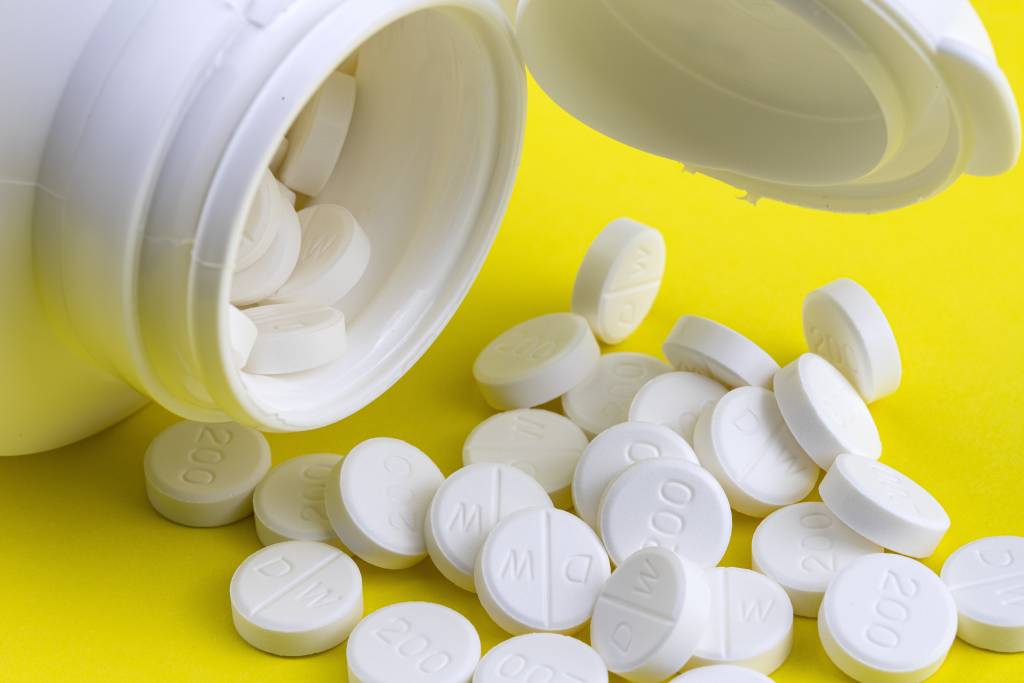
Protein supplements are sometimes viewed as artificial or unnecessary products. However, quality protein powders are simply concentrated sources of protein designed to make it easier to meet nutritional needs.
Common protein supplements include:
- Whey protein
- Casein protein
- Soy protein
- Pea protein
- Rice protein
Protein supplements can be useful for:
- Busy individuals who struggle to prepare protein-rich meals
- Athletes with higher protein requirements
- People recovering after exercise
- Individuals who need convenient nutrition options
However, supplements should support a balanced diet rather than replace whole foods.
Myth 6: Eating Protein Before Bed Is Bad
Some people believe consuming protein in the evening is harmful or unnecessary.
In reality, protein before sleep can be beneficial, especially for physically active individuals. During sleep, the body continues repairing tissues and maintaining muscle.
Slow-digesting proteins, such as casein found in dairy products, may provide a steady release of amino acids during the night.
A small protein-rich snack before bed may support:
- Muscle recovery
- Overnight protein synthesis
- Better daily protein distribution
The overall daily protein intake remains the most important factor.
Myth 7: More Protein Means Faster Weight Loss
Protein can support weight management by increasing fullness, reducing hunger, and helping preserve muscle during calorie restriction. However, protein alone does not guarantee weight loss.
Successful fat loss depends on:
- Overall calorie balance
- Food quality
- Physical activity
- Sleep
- Long-term consistency
Replacing all other nutrients with excessive amounts of protein is not a sustainable or balanced approach.
Protein works best as part of a complete nutrition strategy.
Myth 8: Protein Is Only Needed After Exercise
Many people believe protein is only useful immediately after a workout.
While consuming protein after exercise can support recovery, the body’s need for protein continues throughout the day.
Muscle repair and maintenance are ongoing processes that require a consistent supply of amino acids.
A better approach is to:
- Consume protein regularly throughout the day
- Include protein in each meal
- Match intake with personal activity levels and goals
Daily consistency matters more than a single “perfect” timing window.
Myth 9: All Protein Foods Are Equally Healthy
Not all protein sources provide the same nutritional value.
A highly processed food with added sugars and unhealthy fats may contain protein but offer fewer health benefits than a minimally processed whole food.
Healthier protein choices often include:
- Fish
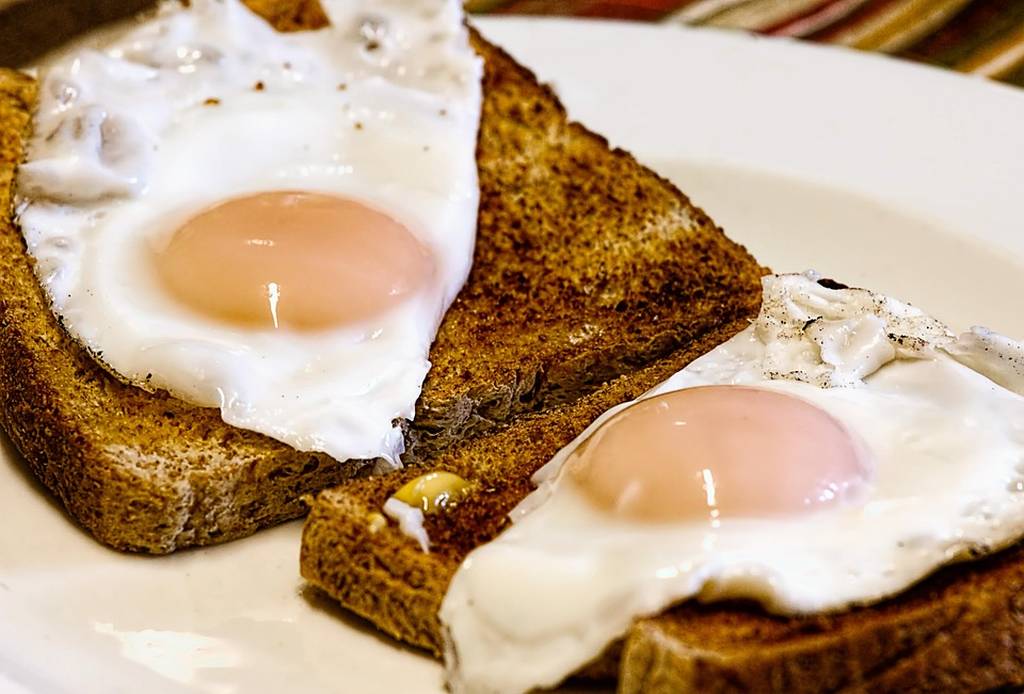
- Eggs
- Lean meats
- Greek yogurt
- Legumes
- Tofu
- Nuts and seeds
The overall quality of the food matters, not just the number of grams of protein it contains.
Myth 10: High-Protein Diets Are Only a Short-Term Trend
Protein-rich diets are sometimes viewed as temporary trends, but protein has always been a fundamental part of human nutrition.
A sufficient protein intake supports:
- Healthy aging
- Muscle preservation
- Recovery
- Physical performance
- Metabolic health
The key is not extreme protein consumption but finding an appropriate amount that matches individual needs and lifestyle.
How to Make Better Protein Choices
Instead of focusing on myths and extremes, a balanced approach is the most effective.
Healthy protein habits include:
- Choosing a variety of protein sources
- Including protein in each meal
- Combining protein with vegetables and whole foods
- Adjusting intake based on activity level
- Prioritizing quality over quantity
Understanding how protein actually works allows people to make informed decisions without relying on misinformation.
Conclusion
Protein is one of the most important nutrients for maintaining health, strength, and overall well-being. While many myths surround protein intake, the scientific evidence shows that protein is beneficial for everyone when consumed as part of a balanced diet.
Protein is not only for athletes, supplements are not automatically unhealthy, and plant-based proteins can provide excellent nutrition. The key is choosing quality sources, consuming appropriate amounts, and understanding how protein supports the body’s natural processes.
By separating facts from fiction, people can use protein more effectively to improve health, maintain muscle, and support a stronger, healthier lifestyle.