
Protein is one of the most important nutrients for maintaining a healthy and functional body. It supports muscle growth, tissue repair, immune function, hormone production, and countless biological processes. However, one of the most common questions people have is: How much protein do you actually need each day?
The answer depends on several factors, including age, body weight, activity level, fitness goals, and overall health. While general recommendations provide a useful starting point, individuals who exercise regularly, want to build muscle, lose weight, or maintain strength as they age may require different amounts.
Understanding your protein needs can help you create a nutrition plan that supports your body and long-term health.
The Basic Protein Recommendation
For healthy adults, the general recommended dietary allowance (RDA) for protein is approximately:
0.8 grams of protein per kilogram of body weight per day
This amount is considered the minimum needed to prevent deficiency and support basic bodily functions.
For example:
- A person weighing 60 kg would need around 48 grams of protein per day
- A person weighing 80 kg would need around 64 grams of protein per day
- A person weighing 100 kg would need around 80 grams of protein per day
However, this recommendation represents a baseline rather than an optimal intake for everyone.
People with higher physical demands often benefit from consuming more protein to support muscle maintenance, recovery, and performance.
Protein Needs Based on Activity Level
Physical activity increases the body’s need for protein because muscles experience greater stress and require additional amino acids for repair.
Sedentary Individuals
People who have a low level of physical activity generally require:
0.8–1.0 g/kg of body weight per day
This amount is usually sufficient to maintain existing muscle mass and support normal body functions.
Recreationally Active Individuals
People who exercise several times per week may benefit from:
1.2–1.6 g/kg per day
This range supports:
- Muscle recovery
- Improved training adaptation
- Maintenance of lean body mass
Strength Training and Athletes
Individuals involved in resistance training or intense athletic activity often require:
1.6–2.2 g/kg per day
Higher protein intake helps support:
- Muscle growth
- Faster recovery
- Increased strength
- Better adaptation to training
Protein Requirements for Weight Loss
Protein plays an especially important role during weight loss because it helps preserve muscle while the body loses fat.
When calorie intake is reduced, the body may break down muscle tissue for energy. Adequate protein intake helps minimize this effect by providing the amino acids needed to maintain lean mass.
For individuals trying to lose weight, a common recommendation is:
1.2–2.0 g/kg of body weight per day
Higher protein intake during weight loss may help:
- Reduce hunger
- Improve fullness after meals
- Maintain metabolism
- Support better body composition
The goal of successful weight loss is not simply to reduce the number on the scale but to lose fat while preserving strength and muscle.
Protein Needs for Muscle Growth
Building muscle requires a combination of resistance training, sufficient calories, and adequate protein intake.
During muscle-building phases, many active individuals benefit from:
1.6–2.2 g/kg per day
This amount provides enough amino acids to stimulate muscle protein synthesis and support recovery after exercise.
However, consuming excessive amounts of protein does not automatically result in more muscle growth. Once the body’s needs are met, additional protein provides limited extra benefits.
Consistency, training quality, sleep, and overall nutrition remain equally important.
Protein Needs as We Age
Protein becomes increasingly important with age because the body becomes less efficient at maintaining muscle tissue.
Starting around middle adulthood, people naturally experience gradual muscle loss, known as sarcopenia. This can affect:
- Strength
- Balance
- Mobility
- Independence
Older adults often benefit from higher protein intake, commonly around:
1.0–1.2 g/kg per day
Those who are physically active or at risk of muscle loss may require even more.
Combining adequate protein intake with resistance exercise is one of the most effective strategies for maintaining muscle health during aging.
How Much Protein Should You Eat Per Meal?
The total daily amount of protein is the most important factor, but distributing protein throughout the day can improve results.
Instead of consuming most protein in one large meal, many experts recommend including a protein source at each meal.
A balanced approach may include:
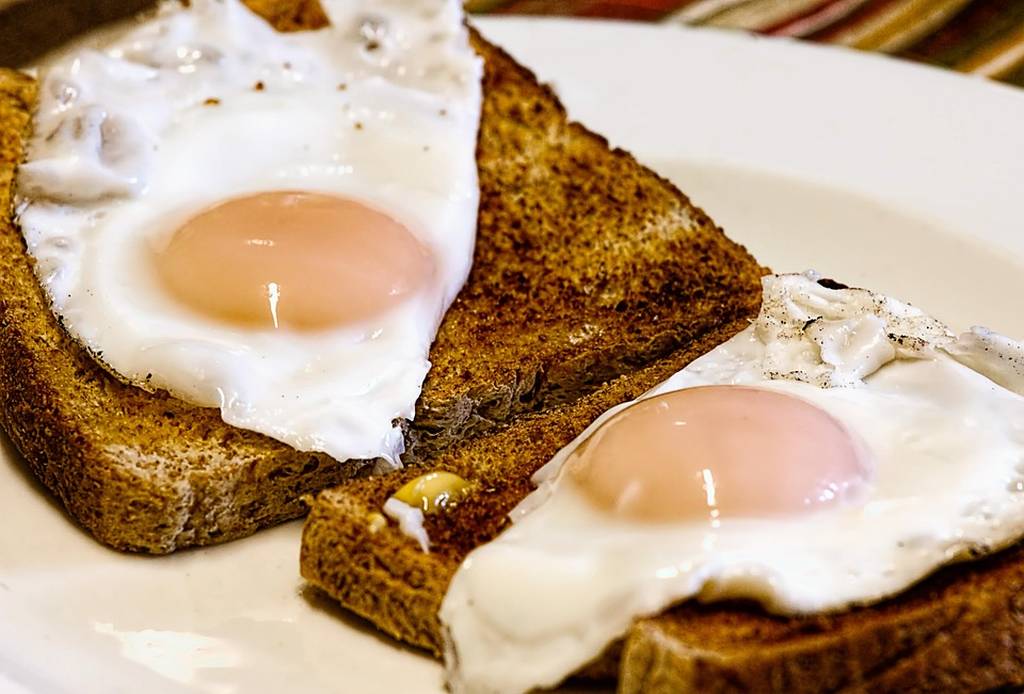
- Breakfast: eggs, Greek yogurt, or protein smoothie
- Lunch: chicken, fish, beans, or tofu
- Dinner: lean meat, seafood, legumes, or dairy
- Snacks: nuts, cottage cheese, or yogurt
Consistent protein intake helps provide the body with a steady supply of amino acids.
Daily Protein Intake Calculator
Signs You May Not Be Getting Enough Protein
Although severe protein deficiency is uncommon, consistently low intake may affect health and performance.
Possible signs include:
- Loss of muscle strength
- Slow recovery after exercise
- Increased fatigue
- Frequent illness
- Poor wound healing
- Hair thinning
- Weak nails
- Increased hunger
People who are physically active, older adults, and individuals following restrictive diets should pay particular attention to protein intake.
Factors That Influence Protein Requirements
Protein needs are not the same for everyone. Several factors can increase the amount required.
Exercise
More physical activity means greater muscle repair demands.
Age
Older adults generally need more protein to maintain muscle mass.
Health Status
Recovery from illness, injury, or surgery may increase protein requirements.
Body Composition Goals
People trying to gain muscle or lose fat often benefit from higher protein intake.
Diet Type
Individuals following vegetarian or vegan diets may need to pay attention to protein variety and total intake.
Practical Tips for Meeting Your Protein Goals
Increasing protein intake does not need to be complicated.
Helpful strategies include:
- Add protein to every meal
- Choose high-quality protein sources
- Prepare protein-rich snacks
- Combine plant protein sources
- Plan meals ahead
- Adjust intake based on activity level
Small daily changes can make it easier to consistently meet protein needs.
Conclusion
The amount of protein you need depends on your body, lifestyle, and personal goals. While the basic recommendation of 0.8 grams per kilogram is enough for general health, active individuals, athletes, people losing weight, and older adults often benefit from higher protein intake.
Adequate protein supports muscle strength, recovery, metabolism, and overall well-being. By understanding your personal protein requirements and choosing high-quality sources, you can create a nutrition strategy that helps your body perform, recover, and stay healthy throughout life.