Why Fiber Matters More Than You Think
When people think about healthy nutrition, they often focus on calories, protein, carbohydrates, and fats. While these nutrients are essential, there is another important component of a healthy diet that is sometimes overlooked: dietary fiber.
Fiber is a type of carbohydrate found naturally in plant foods. Unlike other carbohydrates, fiber is not completely broken down and absorbed by the body. Instead, it passes through the digestive system, where it provides many important health benefits.
A diet rich in fiber can support:
- Healthy digestion
- Better appetite control
- Stable blood sugar levels
- Heart health
- A healthy gut microbiome
- Long-term weight management
Despite its importance, many people around the world consume less fiber than recommended.
What Is Dietary Fiber?
Dietary fiber is the part of plant foods that the human body cannot fully digest.
Unlike sugars and starches, fiber moves through the digestive system relatively intact.
There are two main types of dietary fiber:
- Soluble fiber
- Insoluble fiber
Both types are important and provide different benefits.
Soluble Fiber: Supporting Digestion and Blood Sugar
Soluble fiber dissolves in water and forms a gel-like substance in the digestive tract.
This type of fiber can help:
- Slow digestion
- Improve feelings of fullness
- Support healthy cholesterol levels
- Reduce rapid increases in blood sugar after meals
Good sources of soluble fiber include:
- Oats
- Beans
- Lentils
- Apples
- Citrus fruits
- Chia seeds
- Flaxseeds
Insoluble Fiber: Promoting Healthy Digestion
Insoluble fiber does not dissolve in water. Instead, it adds bulk to stool and helps food move through the digestive system.
It is especially important for:
- Regular bowel movements
- Preventing constipation
- Supporting overall digestive health
Good sources of insoluble fiber include:
- Whole grains
- Vegetables
- Nuts
- Seeds
- Fruit skins
Fiber and Gut Health
One of the most important discoveries in modern nutrition is the role of the gut microbiome.
The digestive system contains trillions of microorganisms that influence many aspects of health.
Certain types of fiber act as food for beneficial gut bacteria. When these bacteria break down fiber, they produce compounds that support the health of the intestinal environment.
A healthy gut microbiome is associated with:
- Better digestion
- Improved immune function
- Healthy inflammation response
- Overall well-being
Eating a variety of fiber-rich plant foods helps support a more diverse and balanced gut microbiome.
Fiber and Weight Loss
Fiber can be a valuable tool for people trying to manage their body weight.
One of the main reasons is that high-fiber foods often increase feelings of fullness.
Foods rich in fiber usually:
- Take longer to eat
- Slow digestion
- Help control hunger
- Reduce unnecessary snacking
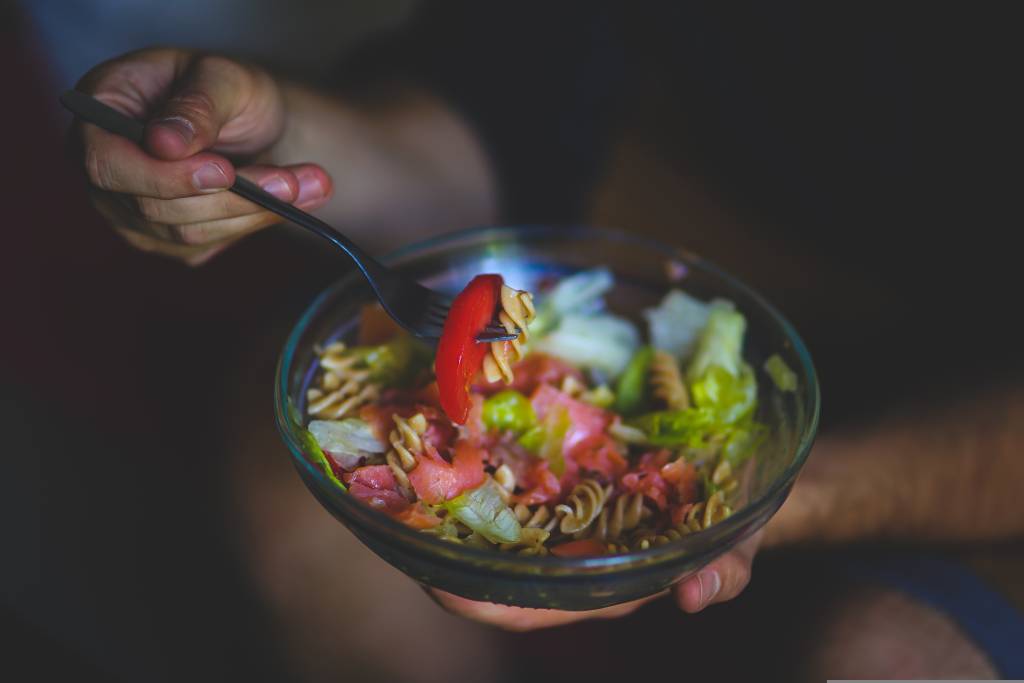
For example, a meal containing vegetables, legumes, and whole grains is often more filling than a meal based mainly on refined carbohydrates.
This does not mean fiber alone causes weight loss. Weight management depends on overall calorie balance, physical activity, sleep, and lifestyle habits.
However, increasing fiber intake can make healthy eating easier and more sustainable.
Fiber and Blood Sugar Control
Fiber can help slow the absorption of carbohydrates.
When carbohydrates are digested more slowly, blood glucose levels may rise more gradually after meals.
This is especially relevant for people who want to maintain stable energy levels throughout the day.
Choosing high-fiber carbohydrate sources such as:
- Whole grains
- Beans
- Vegetables
- Fruits
is generally a better option than relying heavily on refined carbohydrates with little fiber.
Fiber and Heart Health
Research has linked higher fiber intake with several markers of cardiovascular health.
Fiber may help support:
- Healthy cholesterol levels
- Better blood pressure management
- Overall heart health
Foods naturally rich in fiber often contain other beneficial nutrients as well, including antioxidants, minerals, and plant compounds.
This is another reason why whole plant foods are an important part of a balanced diet.
How Much Fiber Do You Need?
Fiber needs vary depending on age, sex, and individual factors.
General recommendations for adults are often around:
- Women: approximately 25 grams per day
- Men: approximately 30–38 grams per day
However, many people consume significantly less than these amounts.
The easiest way to increase fiber intake is not by focusing on a single food, but by gradually adding more fiber-rich foods throughout the day.
Best High-Fiber Foods
Here are some excellent sources of dietary fiber:
Legumes
Legumes are among the best fiber sources.
Examples:
- Lentils
- Chickpeas
- Black beans
- Kidney beans
They also provide protein and important minerals.
Whole Grains
Whole grains contain more fiber than refined grain products.
Examples:
- Oats
- Brown rice
- Whole wheat bread
- Barley
- Quinoa
Fruits
Many fruits provide both fiber and important vitamins.
High-fiber choices include:
- Raspberries
- Pears
- Apples
- Berries
- Oranges
Vegetables
Vegetables are naturally rich in fiber and nutrients.
Examples:
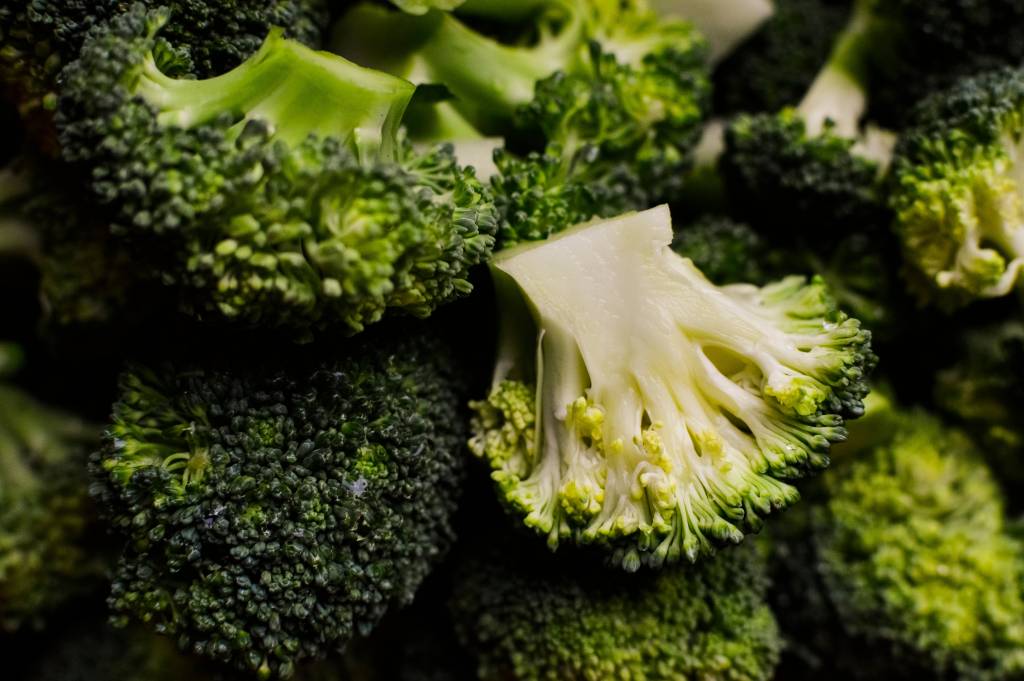
- Broccoli
- Brussels sprouts
- Carrots
- Artichokes
- Leafy greens
Nuts and Seeds
Small amounts can provide significant fiber.
Examples:
- Chia seeds
- Flaxseeds
- Almonds
- Walnuts
How to Increase Fiber Intake Safely
If your current diet is low in fiber, increasing intake too quickly may cause digestive discomfort.
Possible temporary effects include:
- Gas
- Bloating
- Changes in digestion
A better approach is gradual:
✔ Add vegetables to more meals
✔ Replace refined grains with whole grains
✔ Include legumes several times per week
✔ Add seeds or nuts to meals
✔ Eat fruit instead of drinking fruit juice
It is also important to drink enough water because fiber works best when combined with proper hydration.
Common Mistakes About Fiber
“All Fiber Supplements Are Better Than Food”
Fiber supplements can be useful in certain situations, but whole foods provide much more than fiber alone.
Plant foods also contain:
- Vitamins
- Minerals
- Antioxidants
- Beneficial compounds
Whenever possible, food should be the primary source of nutrients.
“Only Older People Need More Fiber”
Fiber is important at every stage of life.
Children, adults, and older adults can all benefit from adequate fiber intake.
“Fiber Is Only Important for Digestion”
Although digestion is one of fiber’s best-known benefits, its effects extend much further.
Fiber also supports:
- Weight management
- Blood sugar control
- Heart health
- Gut microbiome balance
Key Takeaways
✔ Fiber is an essential part of a healthy diet.
✔ Soluble and insoluble fiber provide different benefits.
✔ Fiber supports digestion, gut health, and weight management.
✔ Fruits, vegetables, legumes, whole grains, nuts, and seeds are excellent sources.
✔ Increase fiber gradually and drink enough water.
✔ A high-fiber diet is one of the foundations of long-term health.
Frequently Asked Questions About Fiber
What foods are highest in fiber?
Some of the highest-fiber foods include beans, lentils, chia seeds, flaxseeds, oats, berries, vegetables, and whole grains.
Does fiber help with weight loss?
Fiber can support weight loss by increasing fullness and helping control appetite, but successful weight management depends on overall lifestyle and calorie balance.
How much fiber should I eat per day?
Most adults should aim for approximately 25–38 grams of fiber daily, depending on individual needs.
Can too much fiber be harmful?
A sudden large increase in fiber intake can cause digestive discomfort. Increasing fiber gradually is usually the best approach.
Is fiber only found in plant foods?
Yes. Dietary fiber naturally occurs in plant foods such as fruits, vegetables, grains, legumes, nuts, and seeds.
Final Thoughts
Fiber may not receive as much attention as protein or calories, but it is one of the most important components of a healthy diet.
A diet rich in fiber supports digestion, improves fullness, contributes to better blood sugar control, and helps create a healthier internal environment.
By simply adding more whole plant foods to your meals, you can make a meaningful improvement to your nutrition and long-term health.
| Food | Fiber content |
|---|---|
| Chia seeds | High |
| Lentils | High |
| Beans | High |
| Oats | Moderate–High |
| Berries | Moderate |
| Vegetables | Moderate |
Medical Disclaimer
This article is intended for educational purposes only and should not replace professional medical advice. Consult a qualified healthcare professional before making significant dietary or training changes.
Suggested References
- World Health Organization (WHO)
- International Society of Sports Nutrition (ISSN)
- Harvard T.H. Chan School of Public Health
- National Institutes of Health (NIH)