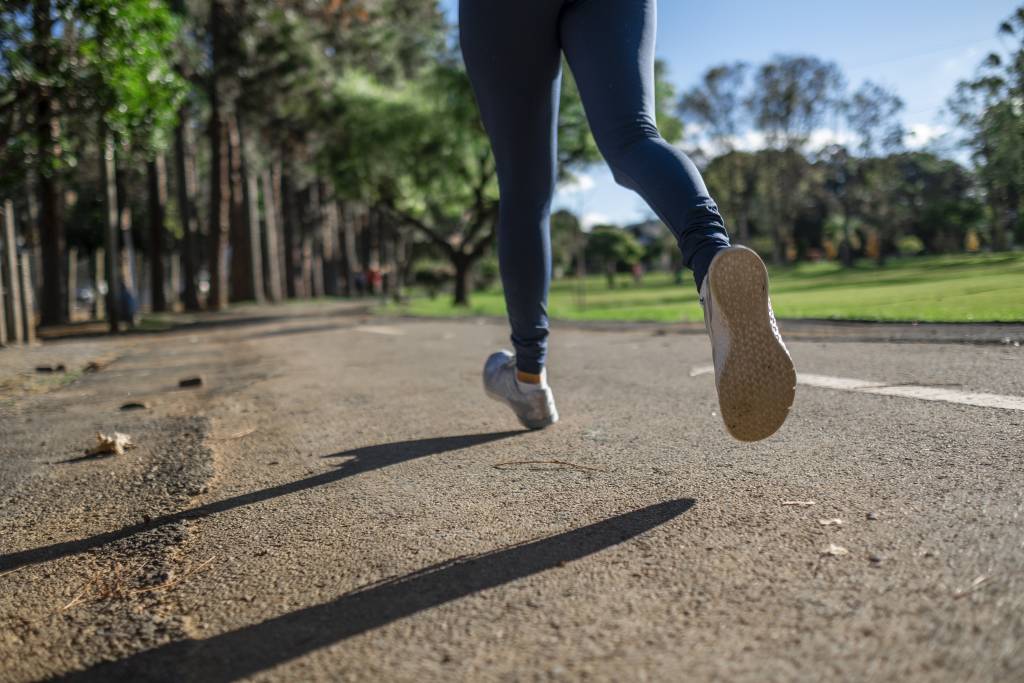

Strong muscles and healthy bones are essential for maintaining movement, independence, and quality of life. Every step we take depends on the coordinated work of muscles, joints, connective tissues, and the skeletal system.
Regular physical activity, including walking, running, and strength exercises, plays a critical role in maintaining physical function throughout life. Movement does not only help us stay active—it helps the body adapt, become stronger, and remain resilient.
As people age, maintaining muscle strength and bone health becomes increasingly important. A physically active lifestyle can help slow age-related changes and support mobility for many years.
Why Movement Is Essential for Muscles and Bones
The human body is designed to respond to physical demands. When muscles and bones are regularly challenged through movement, they adapt by becoming stronger and more efficient.
Without regular activity, the body gradually loses strength and function. This process can contribute to:
- Reduced muscle mass
- Lower bone density
- Poor balance
- Reduced mobility
- Increased risk of falls and injuries
Regular movement provides the stimulation needed to maintain a strong and capable body.
How Walking Supports Bone Health
Walking is one of the most accessible weight-bearing activities, meaning it requires your bones to support your body against gravity.
This type of activity encourages bones to maintain their strength and density.
Benefits of walking for bone health include:
- Supporting bone strength
- Improving balance and coordination
- Maintaining joint mobility
- Reducing the effects of prolonged inactivity
Walking is especially valuable because it is low-impact and suitable for most people, including older adults or those returning to activity after periods of inactivity.
The Role of Weight-Bearing Exercise
Bones respond positively to mechanical stress. When the body experiences controlled physical forces, bones receive signals to maintain and strengthen their structure.
Weight-bearing activities include:
- Walking
- Hiking
- Running
- Dancing
- Stair climbing
- Strength training
These activities help support bone remodeling, a natural process where old bone tissue is replaced with new tissue.
Regular weight-bearing movement is an important part of maintaining skeletal health throughout adulthood.
How Running Affects Bone Strength
Running creates greater impact forces compared with walking, which can provide additional stimulation for bones.
For healthy individuals, running may help support:
- Bone density
- Lower-body strength
- Coordination
- Athletic performance
However, because running places more stress on joints and connective tissues, it is important to increase intensity gradually and use proper technique.
Beginners can safely build endurance by combining walking and running intervals.
Exercise and Muscle Strength
Muscles are responsible for movement, posture, stability, and everyday function. Maintaining muscle strength is essential not only for athletes but for everyone.
Regular physical activity helps preserve muscle by:
- Stimulating muscle growth and maintenance
- Improving coordination
- Supporting better posture
- Increasing physical capacity
Strong muscles also protect joints by providing stability and support during movement.
Preventing Muscle Loss as We Age
One of the natural challenges of aging is the gradual loss of muscle mass and strength, a process known as age-related muscle decline.
This can affect:
- Balance
- Walking ability
- Independence
- Daily activities
Physical activity is one of the most effective ways to slow this process.
Combining aerobic activities such as walking with resistance exercises creates a comprehensive approach to maintaining strength.
The Importance of Strength Training
While walking and running provide many benefits, strength training has a unique role in maintaining muscle.
Strength exercises include:
- Bodyweight exercises
- Resistance bands
- Weight training
- Functional movements
Benefits include:
- Increased muscle strength
- Improved metabolism
- Better joint support
- Enhanced physical performance
A balanced exercise routine includes both movement-based activities and muscle-strengthening exercises.
Exercise, Balance, and Injury Prevention
Strong muscles and healthy bones contribute to better balance and coordination.
Regular activity helps improve:
- Body awareness
- Reaction ability
- Stability
- Movement control
This is particularly important as people age, as maintaining balance reduces the risk of falls and helps preserve independence.
Simple activities such as walking on different surfaces, climbing stairs, and practicing balance exercises can make a meaningful difference.
Physical Activity and Healthy Aging
Healthy aging is not simply about living longer—it is about maintaining the ability to enjoy daily life.
Regular movement supports:
- Independence
- Mobility
- Strength
- Confidence
- Quality of life
People who remain active are more likely to continue performing everyday activities comfortably as they age.
The goal is not necessarily athletic performance. The goal is maintaining a body that can move, adapt, and function well.
Simple Ways to Strengthen Your Body Through Movement
You can support your muscles and bones with simple daily habits:
- Walk regularly.
- Take stairs when possible.
- Include resistance exercises several times per week.
- Spend less time sitting.
- Practice balance exercises.
- Choose outdoor activities.
- Increase activity gradually.
Consistency is the foundation of long-term physical health.
Conclusion
Walking and regular physical activity are powerful tools for maintaining strong bones, healthy muscles, and lifelong mobility. Movement stimulates the body to preserve strength, improve balance, and remain functional throughout every stage of life.
Whether through daily walks, recreational running, strength training, or simple active habits, every form of movement contributes to a stronger and healthier body.
Building strong muscles and bones is not only about fitness—it is about protecting independence, confidence, and quality of life for the future.
Frequently Asked Questions
Does walking strengthen bones?
Yes. Walking is a weight-bearing activity that can help maintain bone strength and support healthy bone density.
Is running better than walking for bone health?
Running creates greater impact and may provide stronger bone stimulation, but walking is a safer and more accessible option for many people.
Can exercise prevent muscle loss with age?
Regular physical activity, especially combined with strength training, can help slow age-related muscle loss and maintain physical function.
How often should I exercise to maintain strong muscles and bones?
A combination of regular aerobic activity and strength exercises throughout the week provides the best support for long-term muscle and bone health.