
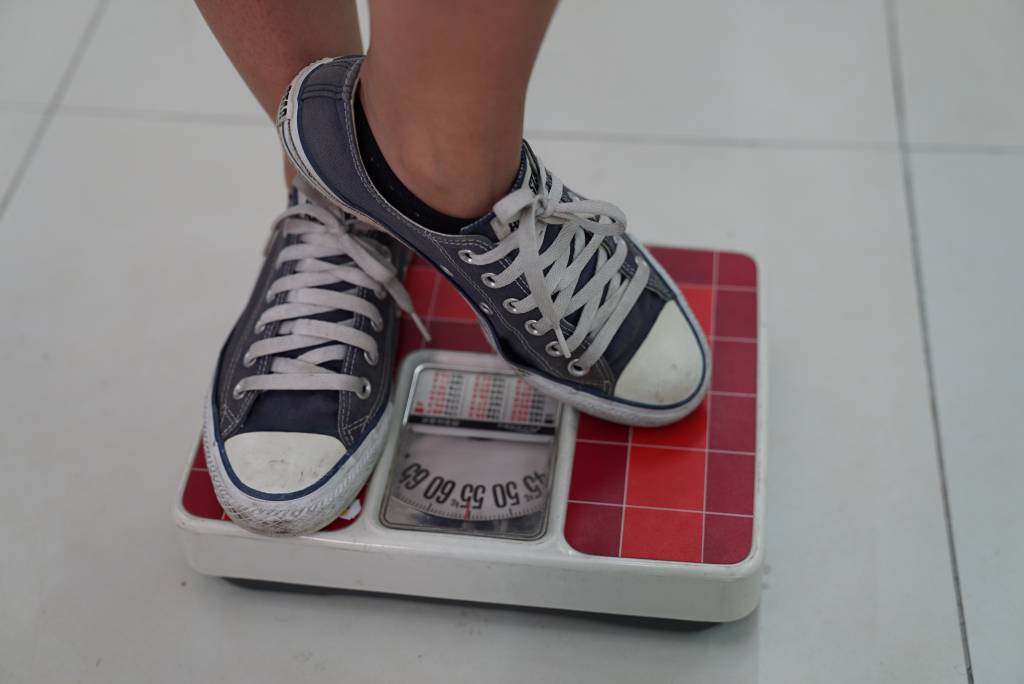
Maintaining a healthy body weight is influenced by many factors, including nutrition, sleep, stress levels, genetics, and physical activity. While diet plays an important role, regular movement is one of the most effective tools for supporting long-term weight management.
Exercise for weight loss is often associated with intense workouts and demanding fitness programs. However, sustainable weight control is not only about high-intensity exercise. Everyday movement, walking, running, and consistent activity habits can have a significant impact on metabolism, energy balance, and overall health.
The key to successful weight management is creating a lifestyle that supports regular movement and healthy habits over time.
Understanding the Relationship Between Exercise and Weight Loss
Body weight is influenced by the relationship between energy intake and energy expenditure.
The body uses energy every day for:
- Basic metabolic functions
- Digestion
- Physical activity
- Daily movements
Exercise increases energy expenditure by requiring muscles to work and use stored energy.
However, the benefits of physical activity extend beyond simply burning calories. Regular movement also improves metabolic health, supports muscle maintenance, and helps create a healthier relationship with food and activity.
How Exercise Supports Fat Loss
Physical activity contributes to fat loss by increasing the amount of energy the body uses.
When combined with balanced nutrition, regular exercise can help create the conditions needed for reducing excess body fat.
Exercise supports fat loss by:
- Increasing daily calorie expenditure
- Improving insulin sensitivity
- Preserving lean muscle tissue
- Supporting healthy metabolism
- Improving body composition
Importantly, the goal should not only be losing weight on the scale. Maintaining muscle while reducing excess fat is a more meaningful indicator of improved health.
Why Daily Movement Matters for Metabolism
Many people focus only on planned workouts but overlook the importance of everyday movement.
Activities such as:
- Walking
- Taking stairs
- Household tasks
- Gardening
- Standing more often
- Active transportation
all contribute to daily energy expenditure.
This type of movement is sometimes called non-exercise activity, and it can play an important role in maintaining a healthy metabolism.
Small movements performed consistently throughout the day can add up to significant health benefits.
Walking for Weight Management
Walking is one of the most effective starting points for people who want to become more active and support weight control.
Although walking burns fewer calories per minute compared with intense exercise, it has several advantages:
- It is accessible to almost everyone.
- It places less stress on joints.
- It can be performed frequently.
- It is easy to maintain long term.
A daily walking habit can increase activity levels, improve cardiovascular fitness, and support gradual weight management.
For many people, increasing daily steps is one of the simplest ways to create a healthier lifestyle.
Running and Higher-Intensity Exercise for Weight Control
Running and other higher-intensity activities can increase calorie expenditure in a shorter amount of time.
Benefits of running for weight management include:
- Increased energy use
- Improved cardiovascular fitness
- Greater endurance
- Support for healthy body composition
However, running is not the only path to achieving results. The best exercise program is one that matches an individual’s abilities, preferences, and lifestyle.
Consistency is more important than intensity.
The Importance of Building Muscle
Strength training is an important but often overlooked component of weight management.
Muscle tissue requires energy to maintain, meaning that preserving muscle mass supports a healthier metabolism.
Strength exercises can help:
- Maintain muscle during weight loss
- Improve body shape and composition
- Increase physical strength
- Support long-term weight maintenance
A combination of aerobic activity and strength training provides a balanced approach to health.
Exercise and Appetite Regulation
Physical activity can also influence hunger and eating behaviors.
Regular exercise may help:
- Improve awareness of hunger signals
- Reduce stress-related eating
- Support better food choices
- Improve emotional relationship with food
Stress and lack of sleep can often contribute to overeating. Since exercise improves mood and sleep quality, it indirectly supports healthier eating patterns.
Why Extreme Exercise Programs Often Fail
Many people begin weight loss efforts with unrealistic expectations, focusing on rapid results through extreme workouts.
However, overly demanding programs can lead to:
- Burnout
- Increased injury risk
- Loss of motivation
- Difficulty maintaining habits
Long-term success usually comes from creating realistic routines that can be continued for months and years.
A daily walk, regular exercise sessions, and active lifestyle choices often produce better results than short-term extremes.
How to Create an Active Lifestyle for Weight Management
Successful weight management is built on daily habits.
Practical strategies include:
- Walk every day, even for short periods.
- Add movement breaks during work.
- Combine cardio and strength training.
- Choose activities you enjoy.
- Increase activity gradually.
- Reduce prolonged sitting.
- Focus on consistency rather than perfection.
The goal is to make movement a normal part of everyday life.
Exercise, Weight Loss, and Long-Term Health
The benefits of exercise go far beyond appearance or numbers on a scale.
Regular movement supports:
- Heart health
- Mental well-being
- Mobility
- Energy levels
- Healthy aging
- Disease prevention
A healthy weight is not only about losing kilograms—it is about creating a stronger, more capable, and healthier body.
Optimal Body Weight Calculator
Conclusion
Exercise for weight loss is not about finding the fastest solution. It is about developing sustainable habits that support a healthy metabolism, improve body composition, and enhance overall well-being.
Daily movement, walking, running, and strength training all have an important role in maintaining a healthy body weight. The most effective approach is the one that can become a permanent part of your lifestyle.
Every step, workout, and active choice contributes to better health and long-term success.
Frequently Asked Questions
Can exercise help with weight loss without changing diet?
Exercise can support weight loss, but combining regular activity with balanced nutrition usually produces the best results.
Is walking enough for weight management?
Yes. Regular walking increases daily energy expenditure and can support healthy weight management, especially when maintained consistently.
How often should I exercise to lose weight?
The ideal amount varies, but regular weekly activity combined with healthy lifestyle habits provides the best long-term results.
Is cardio or strength training better for weight loss?
Both are beneficial. Cardio increases calorie expenditure, while strength training helps preserve muscle and support metabolism.