
We Are Eating Differently Than Ever Before
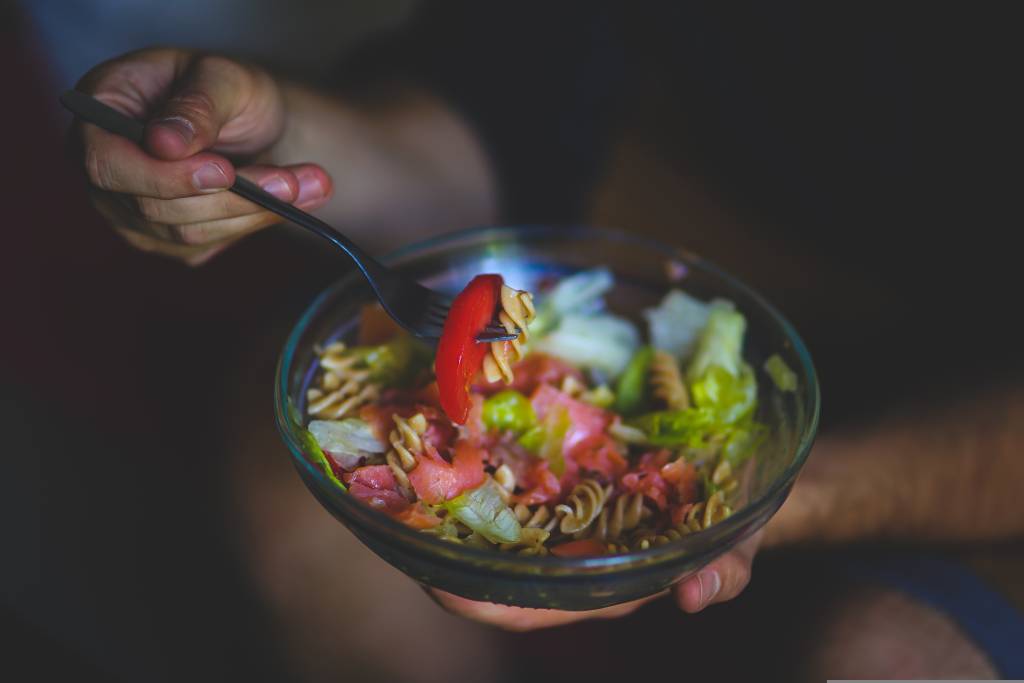
The way people eat has changed dramatically over the past century. While previous generations prepared most meals from fresh ingredients at home, today’s food environment is built around convenience.
Supermarkets are filled with ready-to-eat meals, packaged snacks, sugary drinks, flavored yogurts, breakfast cereals, protein bars, frozen meals, and countless other products designed to save time and satisfy cravings.
Many of these foods are known as ultra-processed foods.
Although they are convenient and often affordable, relying heavily on ultra-processed foods may affect diet quality and overall health.
The goal is not to fear these foods but to understand what they are, how they fit into a balanced diet, and how to make informed choices.
What Are Ultra-Processed Foods?
Not all food processing is harmful.
Cooking vegetables, freezing fruit, pasteurizing milk, or making yogurt are all forms of processing that improve safety, shelf life, or convenience.
Ultra-processed foods are different.
They are industrial formulations made mostly from refined ingredients and additives rather than whole foods.
They often contain combinations of:
- Added sugars
- Refined starches
- Refined oils
- Flavor enhancers
- Artificial colors
- Preservatives
- Emulsifiers
- Sweeteners
These ingredients are combined to create foods that are convenient, highly palatable, and have a long shelf life.
Common examples include:
- Soft drinks
- Candy
- Chips
- Instant noodles
- Packaged pastries
- Sweetened breakfast cereals
- Many frozen ready meals
- Processed meats
- Some flavored yogurts
- Many packaged snack bars
It is important to remember that not every packaged food is ultra-processed. Frozen vegetables, canned beans, plain yogurt, and whole-grain bread can still be nutritious choices.
Why Are Ultra-Processed Foods So Popular?
Ultra-processed foods fit well into modern lifestyles.
They are often:
- Quick to prepare
- Easy to transport
- Widely available
- Heavily marketed
- Designed for consistent taste
- Relatively inexpensive
For busy families, students, and professionals, convenience can become a deciding factor.
The challenge is that convenience sometimes comes at the expense of nutritional quality.
Why Are They So Easy to Overeat?
One reason ultra-processed foods can be difficult to moderate is that they are often engineered to be highly appealing.
Many combine:
- Salt
- Sugar
- Fat
- Flavorings
in ways that encourage repeated eating.
They also tend to require very little chewing, making it easy to eat quickly before the body’s natural fullness signals have time to develop.
This is one reason why many people consume more calories than they realize.
What Does the Research Suggest?
Research consistently shows that diets high in ultra-processed foods are often associated with lower overall diet quality. People who eat large amounts of these foods also tend to consume fewer fruits, vegetables, whole grains, and legumes.
However, it is important to distinguish association from causation. Health outcomes are influenced by many factors, including physical activity, sleep, smoking, alcohol consumption, socioeconomic circumstances, and overall dietary patterns.
The strongest evidence supports focusing on the overall quality of your diet rather than labeling a single food as “good” or “bad.”
Reading Food Labels More Effectively
One practical skill is learning how to read nutrition labels.
Instead of looking only at calories, pay attention to:
- The ingredient list
- Added sugars
- Sodium content
- Fiber content
- Protein content
A long ingredient list does not automatically mean a product is unhealthy, but products with numerous additives and very little nutritional value are worth limiting.
Practical Ways to Reduce Ultra-Processed Foods
You do not need to eliminate every processed product.
Instead, aim to improve the overall quality of your diet.
Simple strategies include:
✔ Cook at home more often.
✔ Replace sugary drinks with water.
✔ Choose whole fruit instead of candy.
✔ Snack on nuts, yogurt, or fruit instead of chips.
✔ Include vegetables in most meals.
✔ Read ingredient lists before buying packaged foods.
Small improvements repeated consistently have a much greater impact than short periods of perfect eating.
Myth vs. Fact
Myth: Healthy eating means never eating processed foods.
Fact: Many minimally processed foods—such as frozen vegetables, canned beans, plain yogurt, and frozen fruit—are nutritious and convenient.
Myth: Every ingredient you cannot pronounce is dangerous.
Fact: Some ingredients have complex scientific names but are safe and commonly used. Focus on the overall nutritional profile instead of judging a food by one unfamiliar ingredient.
Common Mistakes
- Believing all processed foods are unhealthy.
- Replacing meals with highly processed snack foods.
- Ignoring portion sizes.
- Choosing products based only on marketing claims such as “natural” or “low fat.”
Practical Takeaways
- Build most meals around whole or minimally processed foods.
- Use packaged foods as a convenience, not as the foundation of every meal.
- Read nutrition labels rather than relying on advertising.
- Focus on long-term eating patterns instead of occasional indulgences.
Frequently Asked Questions
Are all processed foods unhealthy?
No. Many processed foods can be part of a healthy diet. The greatest concern is regular reliance on ultra-processed foods with low nutritional value.
Can I eat ultra-processed foods occasionally?
Yes. An occasional packaged snack or fast-food meal is unlikely to affect long-term health if your overall diet is balanced and nutrient-rich.
How can I reduce ultra-processed foods without making life harder?
Start by replacing one or two highly processed foods each week with more nutritious alternatives. Gradual changes are usually easier to maintain than drastic restrictions.
Final Thoughts
Ultra-processed foods are part of modern life, and complete avoidance is neither realistic nor necessary for most people.
The goal is not perfection but awareness.
By building your diet around whole and minimally processed foods while using convenience products thoughtfully, you can enjoy the benefits of healthy eating without making nutrition unnecessarily complicated.
Medical Disclaimer
This article is intended for educational purposes only and should not replace professional medical advice. Consult a qualified healthcare professional before making significant dietary or training changes.
Suggested References
National Institutes of Health (NIH)
World Health Organization (WHO)
International Society of Sports Nutrition (ISSN)
Harvard T.H. Chan School of Public Health