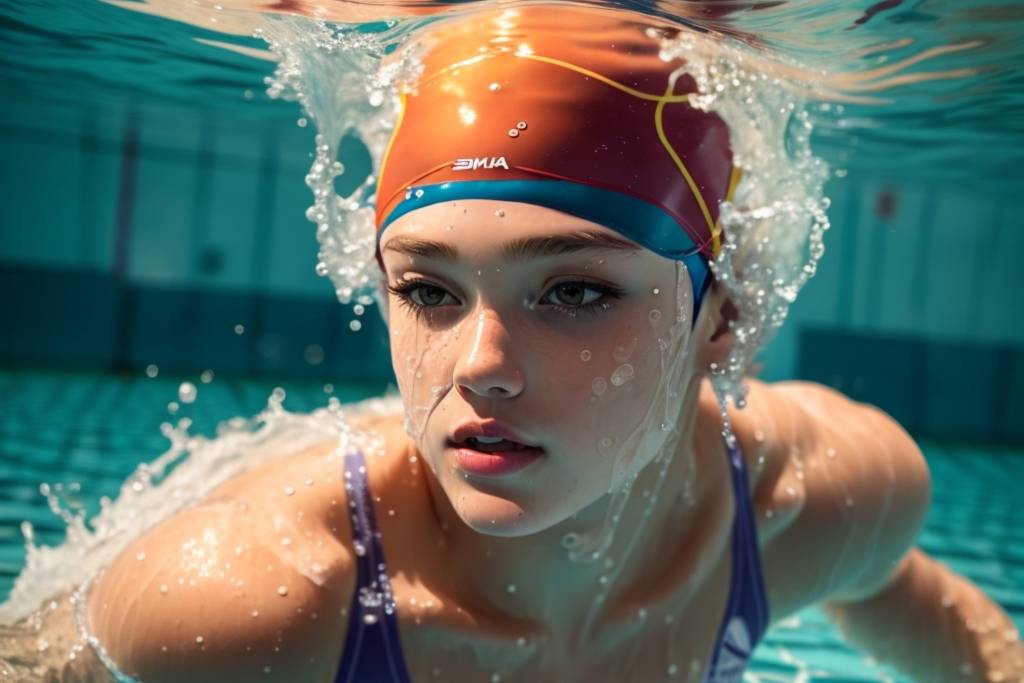
Physical activity places significant demands on the human body. Whether someone is a professional athlete, a recreational exerciser, or simply an active person performing daily tasks, the body requires energy, oxygen, nutrients, and proper fluid balance to perform efficiently. Among all the factors that influence physical performance, hydration is one of the most important and often underestimated.
Water plays a central role in nearly every process involved in movement and exercise. It helps regulate body temperature, transport oxygen and nutrients to working muscles, maintain blood circulation, support muscle contractions, and remove metabolic waste. When the body does not have enough water, these processes become less efficient, leading to reduced performance and slower recovery.
During exercise, muscles produce energy through metabolic processes that generate heat as a natural by-product. The harder the body works, the more heat it produces. To prevent dangerous increases in body temperature, the body activates its cooling system by increasing blood flow to the skin and producing sweat. Because sweat is primarily composed of water, prolonged physical activity can result in significant fluid loss.
The amount of fluid lost during exercise varies widely depending on several factors, including exercise intensity, duration, environmental temperature, humidity, clothing, and individual sweating rate. Some people may lose only a small amount of fluid during moderate activity, while others may lose several liters during long or intense workouts, especially in hot conditions.
When fluid losses are not replaced, dehydration begins to affect physical performance. One of the earliest consequences is a reduction in blood volume. Since blood carries oxygen and nutrients to muscles, reduced blood volume makes it more difficult for the cardiovascular system to meet the demands of exercise. The heart must work harder, and muscles may receive less oxygen, causing fatigue to develop more quickly.
Endurance performance is particularly sensitive to hydration status. Activities such as running, cycling, swimming, hiking, and other prolonged exercises require efficient energy production over extended periods. Even mild dehydration can reduce stamina and increase the perception of effort, meaning that the same workout may feel more difficult than it normally would.
Strength and power can also be affected by inadequate hydration. Muscles depend on water and electrolytes to generate normal contractions. When fluid balance is disturbed, communication between nerves and muscles may become less efficient, potentially reducing strength, coordination, and reaction speed.
Electrolytes are especially important during longer periods of exercise. Minerals such as sodium, potassium, calcium, and magnesium are lost through sweat and help regulate fluid balance, nerve signals, and muscle function. Losing large amounts of electrolytes without replacement may contribute to weakness, reduced performance, and muscle discomfort.
However, hydration is not only important during exercise—it begins before physical activity starts. Arriving at a workout already dehydrated places unnecessary stress on the body from the beginning. Drinking enough fluids throughout the day helps ensure that blood volume, temperature regulation, and muscle function are supported before exercise begins.
During shorter, moderate workouts, drinking water is usually sufficient for maintaining hydration. For longer or more intense activities, especially those lasting more than an hour or performed in extreme heat, replacing electrolytes may become important. Sports drinks can sometimes be useful in these situations, although many people do not require them for normal daily exercise.
The timing of fluid intake after exercise is also essential. Recovery begins immediately after physical activity, and the body needs water to restore normal circulation, transport nutrients, and repair tissues. Drinking fluids after exercise helps replace what was lost through sweat and supports the restoration of normal physiological function.
Muscle recovery depends on many processes, including repairing microscopic muscle damage, replenishing energy stores, and reducing inflammation. Water supports these processes by helping deliver nutrients to muscle cells and assisting in the removal of metabolic by-products produced during exercise.
Hydration also influences flexibility and mobility after training. Muscles and connective tissues require adequate fluid levels to maintain elasticity. When the body is dehydrated, tissues may become less efficient, contributing to feelings of stiffness and discomfort.
Athletes often monitor hydration carefully because small differences can influence performance outcomes. Professional competitors may measure body weight before and after training sessions to estimate fluid losses and develop personalized hydration strategies. While most people do not need such detailed monitoring, being aware of sweating patterns and drinking regularly is a valuable habit.
Environmental conditions can significantly increase hydration requirements. Hot and humid weather increases sweat production because the body must work harder to cool itself. High-altitude environments can also increase fluid loss because breathing rates increase and the air is often drier. In these situations, drinking water consistently becomes even more important.
Cold environments can also create hydration challenges. People often feel less thirsty in cold weather, even though the body continues to lose water through breathing and physical activity. Winter athletes and outdoor workers may therefore become dehydrated without recognizing it.
Certain warning signs may indicate inadequate hydration during or after exercise. These include excessive thirst, unusual fatigue, dizziness, headache, dry mouth, dark urine, reduced performance, and difficulty maintaining normal coordination. Recognizing these signals allows individuals to respond before dehydration becomes more serious.
While hydration is essential, it is important to avoid excessive water consumption without need. Drinking extremely large amounts of water in a short period can disturb electrolyte balance, particularly sodium levels in the blood. The goal is not to drink as much as possible, but to maintain a healthy balance that matches the body’s needs.
A balanced approach to hydration involves drinking regularly, increasing intake during physical activity, replacing fluids lost through sweating, and paying attention to individual differences. Every person has unique requirements based on body composition, fitness level, environment, and exercise habits.
Water is truly an athlete’s essential partner. It supports the systems that allow the body to move, perform, adapt, and recover. Without adequate hydration, even a well-designed training program cannot reach its full potential because the body lacks one of its most fundamental resources.
From a casual walk to an intense athletic competition, every movement depends on water. By maintaining proper hydration before, during, and after physical activity, we help the body perform more efficiently, recover more effectively, and remain capable of meeting the physical challenges of everyday life.