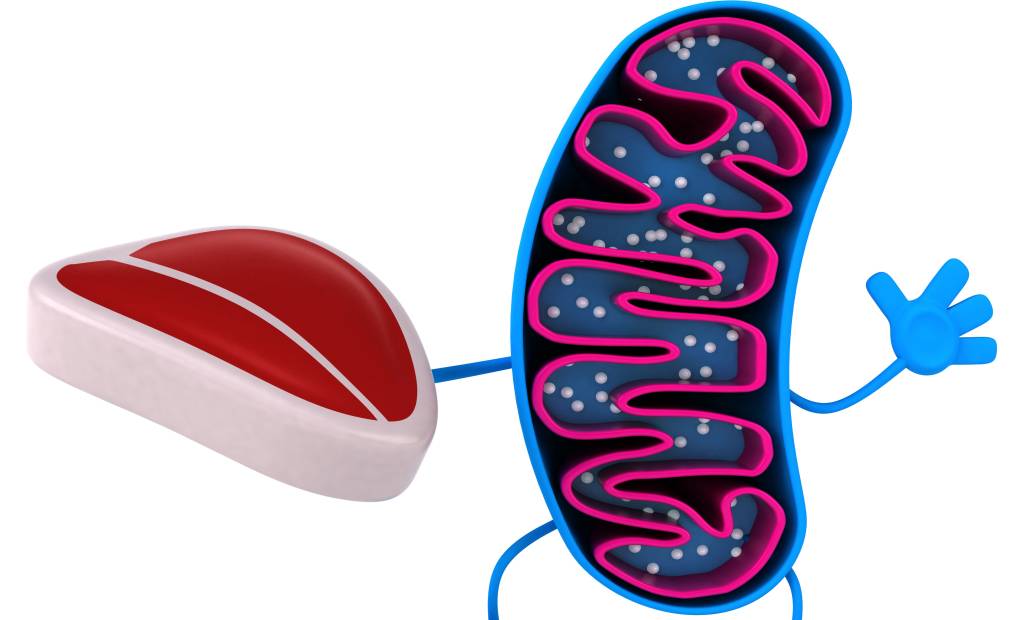

Calories are often misunderstood. Many people associate them with weight gain or dieting, but calories are much more than numbers printed on food labels. They are the body’s primary source of energy and are essential for survival. Every heartbeat, breath, thought, and movement depends on the energy provided by calories.
Understanding what calories are and how they work can help you make healthier food choices, manage your weight effectively, and improve your overall well-being.
What Is a Calorie?
A calorie is a unit of energy. In nutrition, it measures the amount of energy that food and beverages provide to the body. Technically, the “calories” listed on food labels are kilocalories (kcal), but they are commonly referred to simply as calories.
Whenever you eat, your digestive system breaks food down into nutrients, which your body converts into energy. This energy fuels every biological process necessary for life.
Why Does Your Body Need Calories?
Calories are required even when you are resting. Your body constantly uses energy to perform vital functions such as:
- Breathing
- Pumping blood
- Regulating body temperature
- Brain function
- Cell repair
- Hormone production
- Digestion
These essential functions make up your Basal Metabolic Rate (BMR), which accounts for the largest portion of your daily calorie expenditure.
Without enough calories, the body begins conserving energy by slowing metabolism and breaking down muscle tissue for fuel. Over time, severe calorie restriction can lead to fatigue, nutrient deficiencies, weakened immunity, and hormonal imbalances.
Calories Give You Energy
Every food contains a different amount of energy depending on its macronutrient composition.
Each macronutrient provides a specific number of calories:
- Carbohydrates: 4 calories per gram
- Protein: 4 calories per gram
- Fat: 9 calories per gram
- Alcohol: 7 calories per gram
Although fats contain more calories per gram, they are also essential for hormone production, brain health, and the absorption of fat-soluble vitamins.
Are All Calories the Same?
From a scientific perspective, one calorie always represents the same amount of energy. However, not all calorie sources affect the body in the same way.
For example, 300 calories from vegetables, lean protein, and whole grains provide vitamins, minerals, fiber, and sustained energy. In contrast, 300 calories from sugary snacks may offer little nutritional value while causing rapid spikes and crashes in blood sugar.
This is why nutrition experts emphasize food quality, not just calorie quantity.
Calories and Weight Management
Body weight is largely influenced by the balance between calories consumed and calories burned.
Calorie Surplus
When you consistently consume more calories than your body uses, the excess energy is stored—primarily as body fat. Over time, this leads to weight gain.
Calorie Deficit
When you consume fewer calories than your body burns, your body uses stored energy to make up the difference, resulting in weight loss.
Calorie Maintenance
If calorie intake closely matches calorie expenditure, body weight generally remains stable.
Understanding this energy balance is the foundation of healthy weight management.
How Many Calories Do You Need?
There is no universal calorie requirement. Daily needs vary depending on factors such as:
- Age
- Sex
- Height
- Weight
- Muscle mass
- Activity level
- Health status
- Personal goals
For example, an active athlete may require more than twice as many calories as someone with a sedentary lifestyle.
Rather than following generic recommendations, it’s best to estimate your needs based on your individual characteristics and activity level.
Common Myths About Calories
Myth 1: Calories Are Bad
Calories are not the enemy. They provide the energy your body needs to function. Problems arise when calorie intake consistently exceeds or falls below your body’s requirements.
Myth 2: Eating Fewer Calories Is Always Better
Extreme calorie restriction may lead to muscle loss, slower metabolism, nutritional deficiencies, fatigue, and poor long-term weight management.
Myth 3: Only Calories Matter
While calorie balance is important, food quality plays a crucial role in overall health. A balanced diet rich in whole foods supports better energy levels, digestion, and disease prevention.
Healthy Ways to Manage Calories
Managing calories doesn’t mean starving yourself or avoiding your favorite foods. Instead, focus on sustainable habits such as:
- Eating balanced meals rich in protein, healthy fats, and fiber.
- Choosing whole foods more often than highly processed foods.
- Staying physically active.
- Drinking enough water.
- Paying attention to portion sizes.
- Listening to hunger and fullness cues.
Small, consistent lifestyle changes are far more effective than restrictive diets.
Final Thoughts
Calories are the body’s fuel. They provide the energy needed for every function, from keeping your heart beating to powering your workouts. Rather than fearing calories, it’s more beneficial to understand how they work and how they fit into a balanced, healthy lifestyle.
Maintaining an appropriate calorie intake, combined with nutritious food choices and regular physical activity, is one of the most effective ways to support long-term health, maintain a healthy body weight, and improve overall quality of life.