
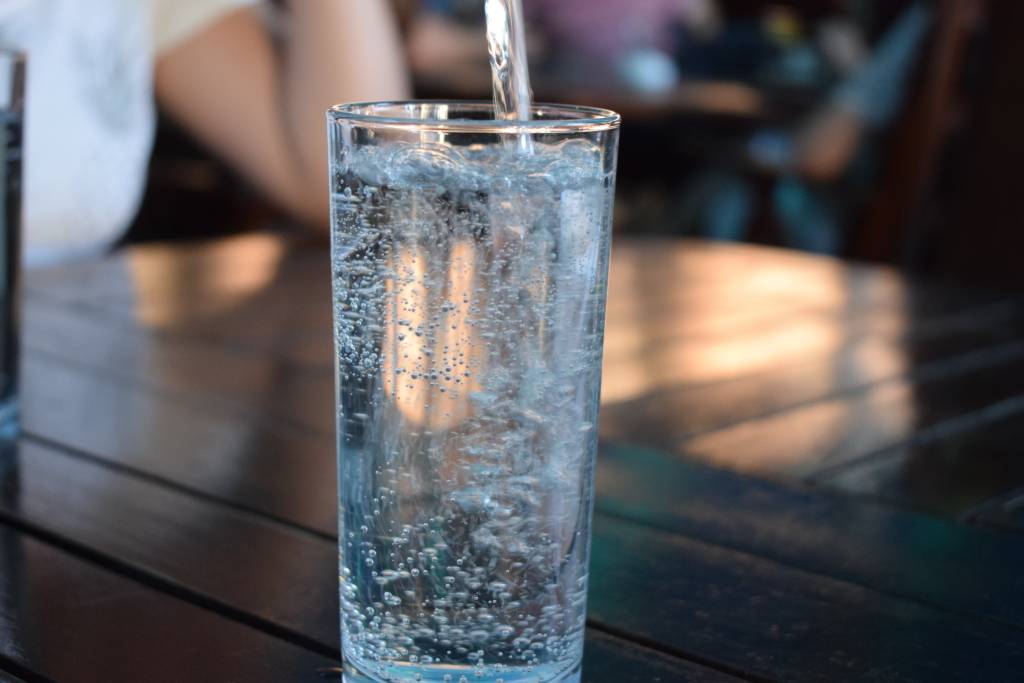
Proper hydration is essential for maintaining good health, supporting normal bodily functions, and keeping your energy levels stable throughout the day. Although water is the most common and simplest way to quench your thirst, many people also drink fruit juices, carbonated beverages, sports drinks, and flavored water. But are all these beverages equally effective for hydration, and which option is best for your body?
Why Is Proper Hydration So Important?
Water plays an essential role in numerous processes throughout the body. It helps regulate body temperature, transport nutrients, lubricate joints, and remove waste products. Adequate fluid intake is also important for normal digestion and maintaining concentration.
When your body loses more fluid than it takes in, dehydration can occur. Common symptoms include thirst, fatigue, headaches, dry mouth, and darker urine. The risk of dehydration increases during hot weather, physical activity, fever, and digestive illnesses accompanied by vomiting or diarrhea.
That is why drinking fluids regularly throughout the day is important rather than waiting until you feel extremely thirsty.
Water: The Best Choice for Everyday Hydration
Plain water is the best choice for most people because it effectively replaces lost fluids without providing calories or added sugar. It is readily available, easy to consume, and suitable for almost any situation.
Drinking water regularly helps maintain normal bodily functions, supports digestion, and helps regulate body temperature. Replacing sugary beverages with water can also help reduce overall calorie intake.
If you find plain water unappealing, you can improve its flavor by adding a slice of lemon or lime, a few mint leaves, or pieces of fresh fruit. Sparkling mineral water is another option, depending on your personal preferences.
How much water should you drink daily? There is no single amount that works for everyone. Your fluid needs depend on your age, physical activity, environmental temperature, diet, and health status. Spread your fluid intake throughout the day and drink more when you sweat heavily.
Fruit Juices: Vitamins Along with Natural Sugars
Fruit juices can provide vitamins and minerals, but they are not generally as good as water for everyday hydration. Even 100% fruit juice contains natural sugars, and juicing removes much of the fiber found in whole fruit.
Regularly drinking large quantities of juice can increase calorie intake. Its sugar and acid content can also negatively affect dental health. Particular attention should be paid to fruit drinks with added sugar, which may contain less actual fruit than expected.
This does not mean you need to eliminate fruit juice completely. A small glass of 100% fruit juice can fit into a balanced diet, but water should remain your primary beverage for quenching thirst. When you want fruit, eating a whole piece of fruit is usually the more nutritious option.
Carbonated and Sugary Drinks: Hydration with Some Drawbacks
Carbonated beverages also contribute to fluid intake, but sugar-sweetened versions often contain significant amounts of sugar and calories while providing few beneficial nutrients. Frequent consumption can make weight management more difficult and increase the risk of dental problems.
Unsweetened sparkling water is a much better alternative. It hydrates the body similarly to still water, although some people may experience bloating or digestive discomfort after drinking carbonated beverages.
If you cannot imagine going through the day without sweetened drinks, try gradually reducing their consumption and replacing them with water or unsweetened alternatives.
Sports Drinks and Electrolyte Drinks: When Are They Necessary?
Sports drinks are primarily designed to replace fluids and electrolytes lost through sweating during prolonged or intense physical activity. Some also contain carbohydrates that provide energy during exercise.
For most people performing everyday activities or engaging in shorter recreational workouts, water is sufficient. Sports drinks may be useful during prolonged exercise, intense training, or physical activity in hot weather, when the body loses greater amounts of water and electrolytes through sweat.
However, it is important to check the ingredients. Many sports drinks contain added sugar, and unnecessary consumption can increase calorie intake. Electrolyte drinks are not essential for everyone because minerals such as sodium and potassium are generally obtained through a balanced diet.
Tea, Coffee, and Other Drinks for Hydration
Unsweetened herbal teas can be a good alternative to water, especially during colder weather. Regular tea and coffee also contribute to your daily fluid intake. For most healthy adults, moderate consumption of caffeinated beverages does not cause dehydration.
Nevertheless, be mindful of added sugar, syrups, and sweetened flavorings. Energy drinks are not recommended as a regular hydration choice because they often contain high amounts of caffeine and sometimes significant quantities of sugar.
Milk also contributes to fluid intake while providing protein and other nutrients. However, because of its nutritional composition and calorie content, it is not necessarily the best choice when your primary goal is simply to quench your thirst.
How to Maintain Proper Hydration Every Day
Maintaining proper hydration does not have to be complicated. Develop simple habits that help you drink enough fluids throughout the day.
Keep a water bottle nearby, drink regularly, and increase your fluid intake when exercising or spending time in hot weather. You can also include water-rich foods in your diet, such as watermelon, cucumbers, tomatoes, and oranges.
Urine color can provide a useful indication of hydration status. Pale yellow urine generally suggests adequate hydration, while darker urine may indicate that you need more fluids. However, urine color can also be affected by certain foods, vitamins, and medications.
It is important to remember that drinking excessive amounts of water can also be harmful. People with certain heart or kidney conditions, as well as those advised by their healthcare providers to restrict fluid intake, should follow individualized medical recommendations.
Conclusion: What Is the Best Drink for Proper Hydration?
When it comes to everyday hydration, water is the best choice for most people. It contains no calories or added sugar, effectively replaces lost fluids, and is suitable for regular consumption.
Unsweetened tea and sparkling water are also good alternatives, while fruit juices, sugary carbonated beverages, and sports drinks should be chosen according to their ingredients and your body’s actual needs.
Proper hydration does not require expensive products or special supplements. The key is to drink enough fluids regularly, adjust your intake to your individual needs, and choose simple, healthier beverages most of the time.Proper Hydration: Is Water the Best Choice, or Are Juices and Other Drinks Good Alternatives?
Proper hydration is essential for maintaining good health, supporting normal bodily functions, and keeping your energy levels stable throughout the day. Although water is the most common and simplest way to quench your thirst, many people also drink fruit juices, carbonated beverages, sports drinks, and flavored water. But are all these beverages equally effective for hydration, and which option is best for your body?
Why Is Proper Hydration So Important?
Water plays an essential role in numerous processes throughout the body. It helps regulate body temperature, transport nutrients, lubricate joints, and remove waste products. Adequate fluid intake is also important for normal digestion and maintaining concentration.
When your body loses more fluid than it takes in, dehydration can occur. Common symptoms include thirst, fatigue, headaches, dry mouth, and darker urine. The risk of dehydration increases during hot weather, physical activity, fever, and digestive illnesses accompanied by vomiting or diarrhea.
That is why drinking fluids regularly throughout the day is important rather than waiting until you feel extremely thirsty.
Daily Water Intake Calculator
Water: The Best Choice for Everyday Hydration
Plain water is the best choice for most people because it effectively replaces lost fluids without providing calories or added sugar. It is readily available, easy to consume, and suitable for almost any situation.
Drinking water regularly helps maintain normal bodily functions, supports digestion, and helps regulate body temperature. Replacing sugary beverages with water can also help reduce overall calorie intake.
If you find plain water unappealing, you can improve its flavor by adding a slice of lemon or lime, a few mint leaves, or pieces of fresh fruit. Sparkling mineral water is another option, depending on your personal preferences.
How much water should you drink daily? There is no single amount that works for everyone. Your fluid needs depend on your age, physical activity, environmental temperature, diet, and health status. Spread your fluid intake throughout the day and drink more when you sweat heavily.
Fruit Juices: Vitamins Along with Natural Sugars
Fruit juices can provide vitamins and minerals, but they are not generally as good as water for everyday hydration. Even 100% fruit juice contains natural sugars, and juicing removes much of the fiber found in whole fruit.
Regularly drinking large quantities of juice can increase calorie intake. Its sugar and acid content can also negatively affect dental health. Particular attention should be paid to fruit drinks with added sugar, which may contain less actual fruit than expected.
This does not mean you need to eliminate fruit juice completely. A small glass of 100% fruit juice can fit into a balanced diet, but water should remain your primary beverage for quenching thirst. When you want fruit, eating a whole piece of fruit is usually the more nutritious option.
Carbonated and Sugary Drinks: Hydration with Some Drawbacks
Carbonated beverages also contribute to fluid intake, but sugar-sweetened versions often contain significant amounts of sugar and calories while providing few beneficial nutrients. Frequent consumption can make weight management more difficult and increase the risk of dental problems.
Unsweetened sparkling water is a much better alternative. It hydrates the body similarly to still water, although some people may experience bloating or digestive discomfort after drinking carbonated beverages.
If you cannot imagine going through the day without sweetened drinks, try gradually reducing their consumption and replacing them with water or unsweetened alternatives.
Sports Drinks and Electrolyte Drinks: When Are They Necessary?
Sports drinks are primarily designed to replace fluids and electrolytes lost through sweating during prolonged or intense physical activity. Some also contain carbohydrates that provide energy during exercise.
For most people performing everyday activities or engaging in shorter recreational workouts, water is sufficient. Sports drinks may be useful during prolonged exercise, intense training, or physical activity in hot weather, when the body loses greater amounts of water and electrolytes through sweat.
However, it is important to check the ingredients. Many sports drinks contain added sugar, and unnecessary consumption can increase calorie intake. Electrolyte drinks are not essential for everyone because minerals such as sodium and potassium are generally obtained through a balanced diet.
Tea, Coffee, and Other Drinks for Hydration
Unsweetened herbal teas can be a good alternative to water, especially during colder weather. Regular tea and coffee also contribute to your daily fluid intake. For most healthy adults, moderate consumption of caffeinated beverages does not cause dehydration.
Nevertheless, be mindful of added sugar, syrups, and sweetened flavorings. Energy drinks are not recommended as a regular hydration choice because they often contain high amounts of caffeine and sometimes significant quantities of sugar.
Milk also contributes to fluid intake while providing protein and other nutrients. However, because of its nutritional composition and calorie content, it is not necessarily the best choice when your primary goal is simply to quench your thirst.
How to Maintain Proper Hydration Every Day
Maintaining proper hydration does not have to be complicated. Develop simple habits that help you drink enough fluids throughout the day.
Keep a water bottle nearby, drink regularly, and increase your fluid intake when exercising or spending time in hot weather. You can also include water-rich foods in your diet, such as watermelon, cucumbers, tomatoes, and oranges.
Urine color can provide a useful indication of hydration status. Pale yellow urine generally suggests adequate hydration, while darker urine may indicate that you need more fluids. However, urine color can also be affected by certain foods, vitamins, and medications.
It is important to remember that drinking excessive amounts of water can also be harmful. People with certain heart or kidney conditions, as well as those advised by their healthcare providers to restrict fluid intake, should follow individualized medical recommendations.
Conclusion: What Is the Best Drink for Proper Hydration?
When it comes to everyday hydration, water is the best choice for most people. It contains no calories or added sugar, effectively replaces lost fluids, and is suitable for regular consumption.
Unsweetened tea and sparkling water are also good alternatives, while fruit juices, sugary carbonated beverages, and sports drinks should be chosen according to their ingredients and your body’s actual needs.
Proper hydration does not require expensive products or special supplements. The key is to drink enough fluids regularly, adjust your intake to your individual needs, and choose simple, healthier beverages most of the time.
Recommended authoritative references:
- Centers for Disease Control and Prevention – Water and Healthier Drinks
- NHS – Water, Drinks and Hydration
Health disclaimer: This article is intended for informational and educational purposes only and should not replace professional medical advice.