
Why Healthy Eating Matters
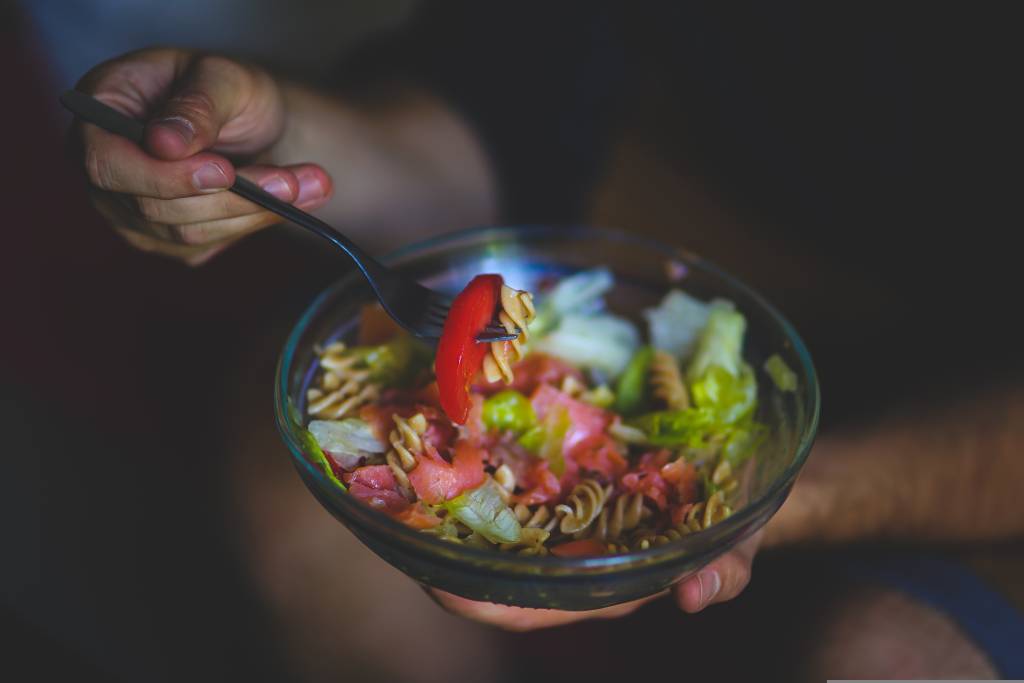
Healthy eating is one of the most important foundations of a healthy lifestyle. The food we consume every day provides the energy our body needs, supports important biological processes, and influences our physical and mental well-being.
However, healthy eating has become increasingly confusing. Every year, new diets appear promising fast weight loss, improved health, or a complete transformation of the body. Many of these approaches focus on strict rules, eliminating entire food groups, or following temporary plans that are difficult to maintain.
The truth is much simpler.
A healthy diet is not about perfection. It is not about avoiding every treat or following complicated meal plans. It is about creating balanced eating habits that provide your body with the nutrients it needs while fitting into your everyday life.
The best diet is not the one that works for a few weeks. It is the one you can maintain for years.
What Is Healthy Eating?
Healthy eating means providing your body with a variety of foods that contain essential nutrients while maintaining an appropriate balance between energy intake and energy expenditure.
A healthy diet should provide:
- Enough calories to support your daily activities
- Adequate protein for muscle maintenance and recovery
- Quality carbohydrates for energy
- Healthy fats for hormones and brain function
- Vitamins and minerals for overall health
- Fiber for digestion and gut health
- Enough fluids for proper hydration
Healthy eating is based on three main principles:
Balance
A balanced diet includes all major food groups in appropriate amounts. No single nutrient is responsible for health. Your body needs a combination of different nutrients to function properly.
Variety
Different foods provide different vitamins, minerals, and beneficial compounds. Eating a wide range of foods helps ensure that your body receives everything it needs.
Moderation
Healthy eating does not require completely eliminating foods you enjoy. Occasional treats can be part of a healthy lifestyle when the overall diet is balanced.
The Foundation of a Balanced Diet
A balanced diet is built around nutrient-dense foods that provide important nutritional value.
The main categories include:
Vegetables and Fruits
Vegetables and fruits are among the most important components of a healthy diet. They provide:
- Vitamins
- Minerals
- Fiber
- Antioxidants
- Plant compounds that support health
Different colors often represent different nutrients, which is why eating a variety of fruits and vegetables is recommended.
For example:
- Leafy greens provide folate and magnesium
- Orange vegetables contain carotenoids
- Berries provide antioxidants
- Citrus fruits provide vitamin C
A simple goal is to include vegetables or fruits in most meals throughout the day.
Whole Grains
Carbohydrates are often misunderstood. Many people believe that all carbohydrates are unhealthy, but this is not true.
Whole grains such as:
- Oats
- Brown rice
- Whole grain bread
- Quinoa
- Barley
provide:
- Long-lasting energy
- Fiber
- Important minerals
The quality of carbohydrates matters more than simply avoiding them.
Protein Sources
Protein is one of the most important nutrients for maintaining and building body tissues.
Protein helps with:
- Muscle repair
- Recovery after exercise
- Hormone production
- Immune function
- Feeling full after meals
Healthy protein sources include:
- Eggs
- Fish
- Poultry
- Lean meat
- Greek yogurt
- Beans
- Lentils
- Tofu
- Nuts and seeds
People who exercise regularly often have higher protein requirements because their muscles need additional support for recovery and growth.
Healthy Fats
Fat has often been incorrectly viewed as something that should be avoided. However, healthy fats are essential for normal body function.
Healthy fats support:
- Brain health
- Hormone production
- Cell function
- Absorption of fat-soluble vitamins
Good sources include:
- Olive oil
- Avocados
- Nuts
- Seeds
- Fatty fish
The goal is not to remove fat from the diet but to choose better sources.
Understanding Macronutrients
Macronutrients are nutrients the body needs in larger amounts. They provide energy and support essential functions.
The three main macronutrients are:
Protein
Protein contains amino acids, which are the building blocks of the body.
Adequate protein intake is especially important for:
- Active individuals
- Athletes
- People trying to maintain muscle during weight loss
- Older adults
Including protein in each meal can help improve fullness and support healthy body composition.
Carbohydrates
Carbohydrates are the body’s primary energy source.
They are especially important for:
- Physical activity
- Exercise performance
- Brain function
The healthiest carbohydrate choices are usually minimally processed foods that also contain fiber.
Examples include:
- Fruits
- Vegetables
- Legumes
- Whole grains
Fats
Dietary fats are necessary for health and should not be eliminated.
They help the body:
- Absorb vitamins A, D, E, and K
- Produce hormones
- Maintain healthy cells
Choosing unsaturated fats more often is generally recommended for better health.
Micronutrients: The Small Nutrients With a Big Impact
While macronutrients provide energy, micronutrients support hundreds of processes inside the body.
Micronutrients include:
Vitamins
Vitamins help regulate:
- Immune function
- Energy metabolism
- Cell growth
- Tissue repair
Examples include:
- Vitamin C
- Vitamin D
- B vitamins
- Vitamin A
Minerals
Minerals are important for:
- Bone health
- Muscle function
- Fluid balance
- Nerve signaling
Important minerals include:
- Calcium
- Magnesium
- Potassium
- Iron
- Zinc
A diet based on a variety of whole foods usually provides most essential vitamins and minerals.
Whole Foods vs. Processed Foods: Understanding the Difference
One of the simplest ways to improve your nutrition is to understand the difference between whole foods and processed foods.
The modern food environment has changed dramatically. Supermarkets today offer thousands of convenient products designed to be quick, affordable, and appealing. While some food processing can be useful and completely harmless, many modern diets contain large amounts of highly processed foods that provide excessive calories while offering limited nutritional value.
Understanding the difference can help you make better food choices without following complicated diet rules.
What Are Whole Foods?
Whole foods are foods that are close to their natural state and have undergone minimal processing.
Examples include:
- Fresh fruits and vegetables
- Eggs
- Fish and meat
- Legumes
- Nuts and seeds
- Whole grains
These foods typically contain naturally occurring nutrients such as fiber, vitamins, minerals, and beneficial plant compounds.
For example, an apple contains fiber, water, vitamins, and natural plant compounds. It provides much more than just calories.
Whole foods generally help with:
- Better appetite control
- Stable energy levels
- Improved digestion
- Higher nutrient intake
What Are Processed and Ultra-Processed Foods?
Not all processed foods are unhealthy.
Processing can include simple actions such as:
- Freezing vegetables
- Cooking food
- Pasteurizing milk
- Grinding grains
These processes can make food safer, easier to store, and more convenient.
The main concern is ultra-processed foods.
These products often contain:
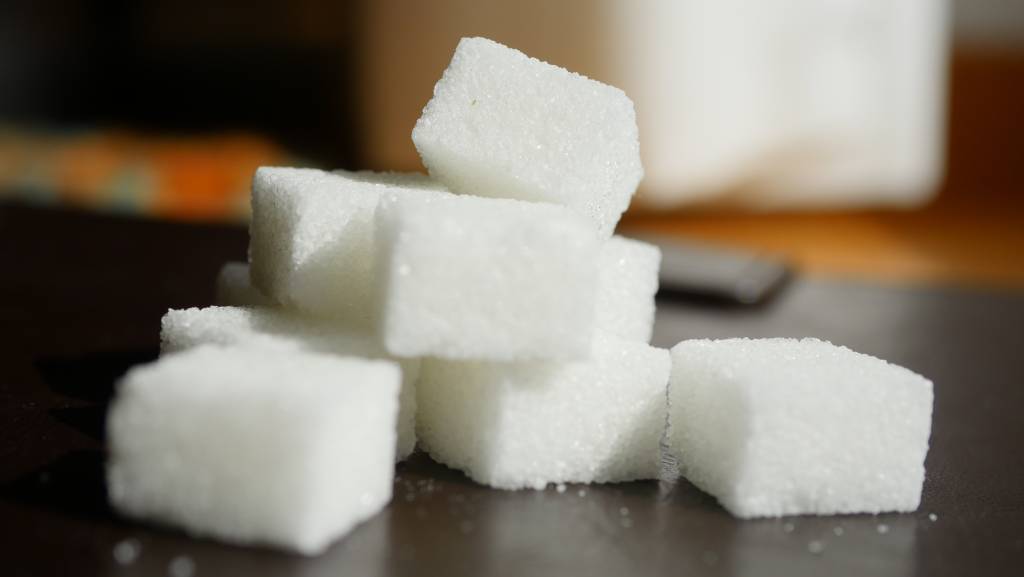
- Added sugars
- Excess sodium
- Refined oils
- Artificial flavors
- Preservatives
- Emulsifiers
- Other additives
Examples include:
- Sugary drinks
- Candy and sweets
- Many packaged snacks
- Fast food products
- Some ready-to-eat meals
These foods are often designed to be extremely tasty and easy to overconsume.
The Influence of the Food Industry
Modern food production has made eating more convenient than ever. However, convenience often comes with challenges.
Food companies invest significant resources into creating products that are:
- Affordable
- Long-lasting
- Visually attractive
- Highly enjoyable
Marketing also influences food choices, especially among children and younger consumers.
Many products are promoted as “healthy” because they contain certain ingredients, even though the overall nutritional quality may not be ideal.
Examples include:
- Breakfast cereals with high sugar content
- Flavored yogurts with added sugars
- Snack products marketed as “fitness foods”
Learning to read nutrition labels can help consumers make more informed decisions.
The Role of Fiber in a Healthy Diet
Fiber is one of the most important components of a balanced diet, yet many people do not consume enough of it.
Unlike other carbohydrates, fiber is not fully digested by the body. Instead, it passes through the digestive system and provides several health benefits.
Benefits of Dietary Fiber
A diet rich in fiber can support:
Better Digestion
Fiber helps maintain regular bowel movements and supports a healthy digestive system.
Improved Fullness
High-fiber foods take longer to digest, which can help control hunger and reduce unnecessary snacking.
Healthy Blood Sugar Levels
Fiber slows the absorption of carbohydrates, helping prevent rapid spikes in blood glucose levels.
Gut Health
Fiber serves as food for beneficial gut bacteria, supporting a healthy gut microbiome.
Best Sources of Fiber
Excellent sources of dietary fiber include:
Vegetables
- Broccoli
- Carrots
- Leafy greens
- Brussels sprouts
Fruits
- Apples
- Berries
- Pears
- Oranges
Legumes
- Beans
- Lentils
- Chickpeas
Whole Grains
- Oats
- Brown rice
- Whole grain bread
Nuts and Seeds
- Almonds
- Chia seeds
- Flaxseeds
Increasing fiber intake gradually while drinking enough water can make the transition easier and more comfortable.
Healthy Eating and Weight Management
Healthy eating plays an important role in maintaining a healthy body weight. However, successful weight management is not about following extreme diets or eliminating entire categories of food.
The foundation of healthy weight control is understanding energy balance.
Your body weight is influenced by the relationship between:
- Calories consumed through food and drinks
- Calories used through daily activities and metabolism
When calorie intake consistently exceeds energy needs, the body stores the extra energy, often as body fat.
When energy intake is lower than energy expenditure, the body uses stored energy.
This principle is known as a calorie deficit.
Why Extreme Diets Usually Fail
Many popular diets promise fast results through strict restrictions.
Examples include:
- Very low-calorie diets
- Eliminating carbohydrates completely
- Avoiding entire food groups
- Short-term detox programs
Although some people may lose weight initially, these approaches are often difficult to maintain.
Common problems include:
- Increased hunger
- Low energy levels
- Loss of muscle mass
- Strong cravings
- Returning to previous eating habits
A sustainable approach focuses on gradual improvements.
Healthy Weight Loss Strategies
Successful long-term weight management usually includes:
Eating Enough Protein
Protein helps preserve muscle mass and improves feelings of fullness.
Choosing High-Volume Foods
Vegetables, fruits, and other fiber-rich foods allow you to eat satisfying portions while controlling calorie intake.
Creating Sustainable Habits
A healthy diet should fit your lifestyle.
The best approach is one that you can maintain months and years from now.
If you want to estimate your daily calorie needs, a calorie calculator can help determine an approximate starting point based on your age, body size, activity level, and goals.
Healthy Eating for Active People
People who exercise regularly have additional nutritional needs because physical activity increases energy demands.
Proper nutrition supports:
- Workout performance
- Muscle recovery
- Energy levels
- Adaptation to training
Protein and Exercise
Protein is essential after exercise because it provides amino acids needed for muscle repair.
Good protein choices include:
- Chicken
- Fish
- Eggs
- Dairy products
- Lean meat
- Plant-based proteins
Carbohydrates and Performance
Carbohydrates are especially important for physically active individuals.
They help restore muscle glycogen, which is the body’s stored form of energy.
Athletes and active people often benefit from including quality carbohydrate sources such as:
- Rice
- Potatoes
- Oats
- Fruits
- Whole grains
Hydration and Recovery
Water plays a critical role in physical performance.
Even mild dehydration can affect:
- Strength
- Endurance
- Concentration
- Recovery
Drinking enough fluids before, during, and after exercise is an important part of sports nutrition.
How Modern Lifestyle Affects Our Food Choices
The way people eat today is very different from how previous generations ate. Modern lifestyles have brought many advantages, but they have also changed our relationship with food.
Busy schedules, long working hours, stress, and reduced physical activity often influence the choices people make every day.
Many people know what healthy eating looks like, but struggle to apply it consistently because of modern lifestyle challenges.
Lack of Time and Convenience
One of the biggest barriers to healthy eating is lack of time.
When people are busy, they often choose:
- Fast food
- Ready-made meals
- Packaged snacks
- Sugary drinks
because these options are convenient and easily available.
The solution is not complicated meal preparation every day. Simple strategies can make healthy eating easier:
- Preparing meals in advance
- Keeping healthy snacks available
- Cooking larger portions
- Planning meals before shopping
A little preparation can significantly improve food choices during busy days.
Stress and Emotional Eating
Stress can strongly influence eating behavior.
Many people turn to food for comfort, especially foods that are high in sugar, fat, or calories. This is known as emotional eating.
Occasional emotional eating is normal, but relying on food as the main way to manage stress can create unhealthy patterns.
Healthy stress management strategies include:
- Regular physical activity
- Quality sleep
- Relaxation techniques
- Spending time outdoors
- Maintaining social connections
A healthy lifestyle is not only about food. It includes the habits and behaviors that influence our decisions every day.
The Importance of Sleep and Recovery
Sleep is often overlooked when discussing nutrition and weight management.
Poor sleep can affect:
- Hunger hormones
- Food cravings
- Energy levels
- Decision-making
People who regularly lack sleep may find it harder to maintain healthy eating habits because they often experience increased cravings for high-calorie foods.
Prioritizing quality sleep is an important part of a complete healthy lifestyle.
Building Healthy Eating Habits That Last
The biggest difference between short-term diets and long-term success is sustainability.
A healthy diet should not feel like punishment. It should become a natural part of your lifestyle.
The following strategies can help build lasting habits.
Start With Small Changes
Trying to change everything at once often leads to frustration.
Instead, focus on small improvements:
- Add more vegetables to meals
- Drink more water
- Include protein with every meal
- Reduce sugary drinks
- Cook at home more often
Small actions repeated consistently create meaningful results over time.
Create Balanced Meals
A simple way to build a balanced plate is to include:
- A source of protein
- A portion of quality carbohydrates
- Vegetables or fruits
- Healthy fats
This approach helps provide essential nutrients while keeping meals satisfying.
Focus on Progress, Not Perfection
Healthy eating does not require being perfect every day.
Everyone has situations where they eat differently than planned. Social events, holidays, travel, and busy periods are normal parts of life.
The key is returning to healthy habits instead of abandoning them completely.
Consistency over time matters much more than occasional mistakes.
Key Takeaways: The Foundations of Healthy Eating
Healthy eating is based on simple but powerful principles:
✔ Choose mostly whole, nutrient-dense foods
✔ Eat enough protein to support your body
✔ Include quality carbohydrates and healthy fats
✔ Consume enough fiber for digestive health
✔ Stay properly hydrated
✔ Limit ultra-processed foods
✔ Create habits you can maintain long term
A healthy diet is not about following the newest trend. It is about creating a balanced relationship with food that supports your health, energy, and quality of life.
Frequently Asked Questions About Healthy Eating
What is the healthiest diet?
There is no single perfect diet that works for everyone. The healthiest eating pattern is one that includes a variety of nutrient-rich foods, provides enough energy, and can be maintained long term.
Many successful approaches share common principles: plenty of vegetables, adequate protein, quality carbohydrates, healthy fats, and limited amounts of highly processed foods.
How do I start eating healthy?
The easiest way to start is by making small, realistic changes.
Begin by improving one or two habits:
- Add more vegetables to your meals
- Drink more water
- Replace some processed foods with whole foods
- Plan meals ahead
Consistency is more important than making drastic changes overnight.
Can I eat carbohydrates and still be healthy?
Yes. Carbohydrates are an important source of energy, especially for active people.
The quality and amount of carbohydrates matter. Foods such as fruits, vegetables, legumes, oats, and whole grains provide valuable nutrients and fiber.
Is healthy eating expensive?
Healthy eating does not have to be expensive.
Many affordable foods are highly nutritious, including:
- Beans
- Lentils
- Eggs
- Seasonal vegetables
- Oats
- Potatoes
- Whole grains
Planning meals and cooking at home can also reduce food costs.
How long does it take to see results from healthy eating?
The timeline depends on individual goals and lifestyle factors.
Some benefits, such as improved energy and digestion, may appear relatively quickly. Changes in body composition, fitness, and health markers usually require consistent habits over a longer period.
The most important factor is maintaining healthy behaviors over time.
Final Thoughts
Healthy eating is not a temporary diet, a strict set of rules, or a quick solution. It is a long-term approach to nourishing your body and supporting a healthier life.
By focusing on balanced meals, whole foods, proper hydration, and sustainable habits, anyone can improve their relationship with food.
The goal is not to create the “perfect” diet. The goal is to create a way of eating that helps you feel better, perform better, and maintain your health for years to come.
- Calorie Calculator
Find out how many calories your body needs each day with our free Calorie Calculator. - BMI Calculator
Check your current weight status using our BMI Calculator.
Medical Disclaimer
This article is intended for educational purposes only and should not replace professional medical advice. Consult a qualified healthcare professional before making significant dietary or training changes.
Suggested References
- World Health Organization (WHO)
- International Society of Sports Nutrition (ISSN)
- Harvard T.H. Chan School of Public Health
- National Institutes of Health (NIH)